

The Art of Balance: Combining Bold Furniture with Subtle Wall Accents
I recently received an email from a client in Santa Rosa, California, who was struggling with the question of what type of stone veneer to choose for a big wall around their fireplace in their living room. While I had some really great ideas for them right off the bat, it got me thinking about a common challenge many homeowners face: how to effectively balance bold, eye-catching elements with more subtle accents in their living spaces.
This dilemma forms the crux of our discussion in this article. My aim is to shed light on the art of creating a harmonious interior, especially for those grappling with the interplay of striking features and understated details in their homes. Whether you’re considering a dramatic wall feature like a stone veneer or selecting the perfect shade of upholstery for your statement furniture, I’ve got some solid and insightful advice and practical tips to get your brain buzzing.
In this article, we’ll cover several key topics to help you navigate the intricacies of interior design:
- Choosing the Right Color Palette
- Balancing Textures and Materials
- Furniture Placement Strategies
- Accentuating with Wall Decor
- Lighting and Its Impact
- Personalizing Your Space
Each section is designed to provide practical advice and inspire creativity, ensuring that your home not only looks great but also resonates with your personal taste and lifestyle.
The Essence of Aesthetic Room Design
Crafting the perfect design for your room or space should always be a function of your own personal taste and expression. That being said, understanding current interior design trends is invaluable in ensuring your personal style is complemented by contemporary aesthetics. This section will guide you through blending what’s in vogue with your unique flavor to create a space that is both up-to-date and authentically yours.
Current Interior Art Trends for 2024
Before we jump into some more practical tips when designing your perfect space, it’s important to take note of the most impactful current interior design trends for 2024. After all, you don’t want to put a lot of time, effort, and money into a design concept that is going to make your space look outdated. Let’s dive into what’s making waves in the design world this year, so your space stays fresh and trendy.
One of the standout trends this year is the use of organic shapes and natural elements. Think curved sofas, round tables, and decor that mimics the fluidity of nature. This trend is all about breaking away from the rigid lines and embracing a softer, more natural look. It’s not just about beauty; it’s about creating spaces that feel good, spaces that flow with a sense of ease.
Another big hit this year is the bold use of color. Gone are the days of playing it safe with neutrals. Now, it’s all about vibrant hues that add personality and energy to a room. Think deep blues, lively greens, and even some daring pinks. These colors aren’t just for walls; they’re making their way into furniture, art, and even kitchen cabinets. It’s a trend that says, “Be bold, be you.”
Practical Tips for Aesthetic Spaces
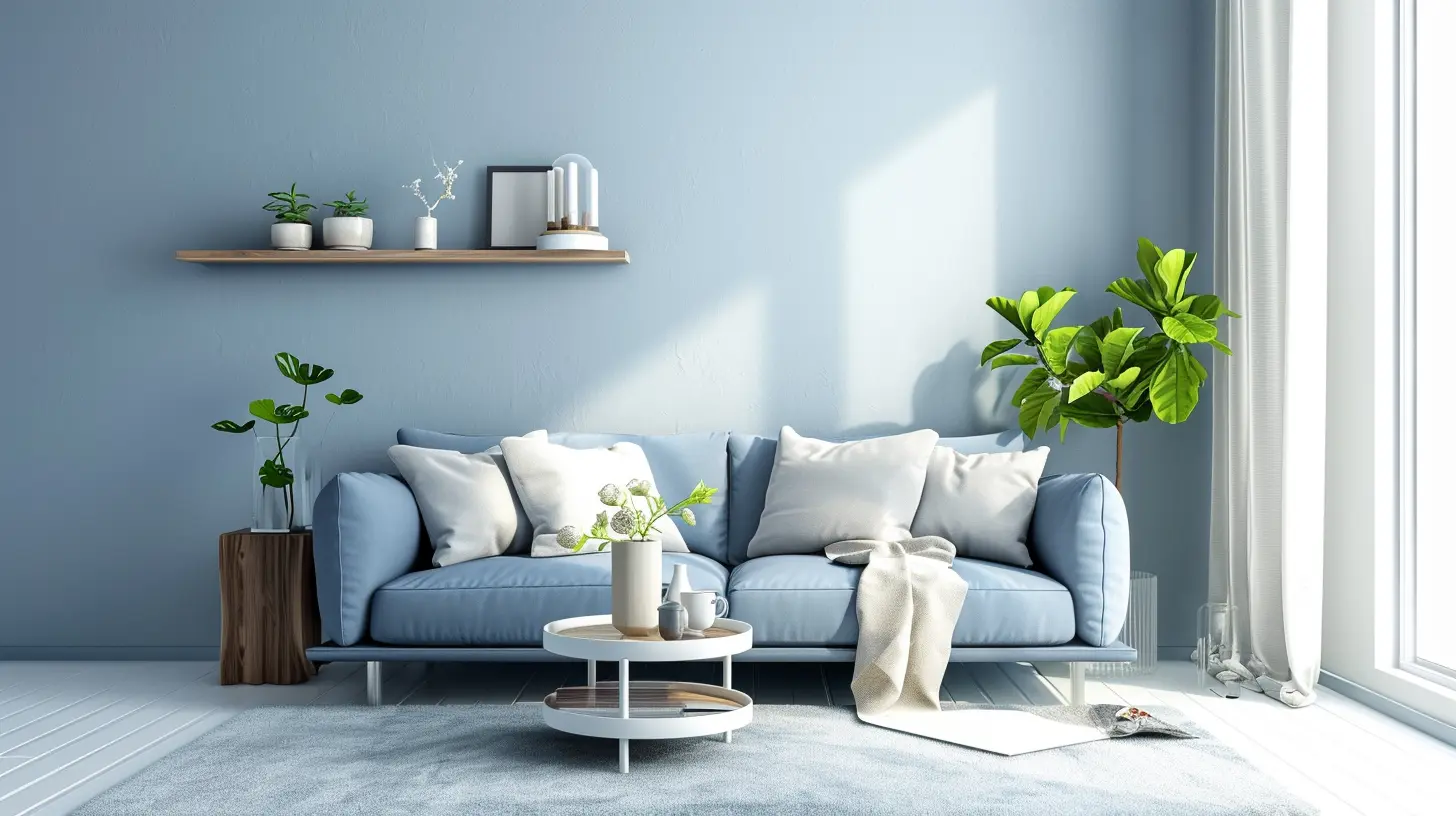
Now, let’s talk about how you can bring these modern aesthetics into your own space. The key here is not to feel overwhelmed. You don’t need to revamp your entire house; sometimes, it’s the small changes that make the biggest impact.
Start with Color
If you’re ready to dive into the color trend, start small. Add a vibrant throw pillow, a piece of art, or a colorful rug. These are simple ways to introduce color without committing to a big change.
Play with Shapes
Incorporate the trend of organic shapes through accessories. A round mirror, a curvy lamp, or even a set of oval frames can add a new dimension to your room.
Mix Old and New
Don’t feel pressured to discard your current decor. Mix your existing pieces with a couple of trendy items. This creates a layered, eclectic look that’s both modern and personal.
Focus on Comfort
Remember, the ultimate goal is to create a space that feels good. Choose furniture and decor that invite relaxation and a sense of peace.
Experiment
Finally, have fun with it! Interior design is an art, not a science. It’s okay to experiment and find what works best for you and your space.
Statement Furniture: Defining Your Space
Choosing the right furniture can make or break the design concept of a room affecting the mood and ambience that it creates. That’s why I’ve created this section to help you master the art of choosing and styling statement furniture that will turn your living space into a reflection of your personality and taste. But what is a statement piece?
Identifying Statement Pieces
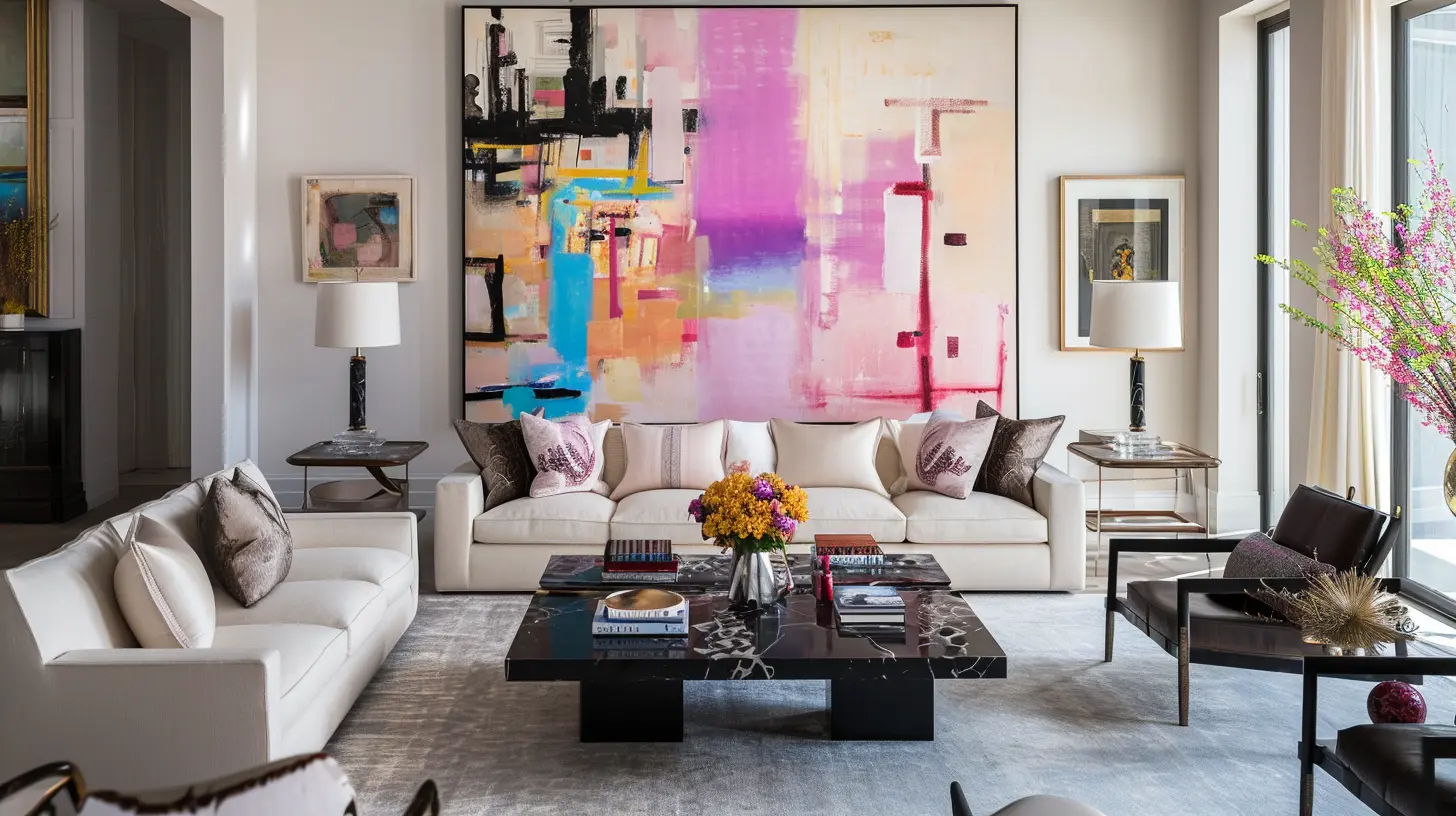
As a professional interior designer, I often advise clients to start their room design with a statement piece. This approach not only sets the tone of the room but also anchors the entire design scheme. A statement piece isn’t just distinguished by its size or color; its real power lies in its unique ability to capture attention, infuse personality into the space, and become the cornerstone of your home’s story.
But, how do you find that perfect statement piece? It should be bold and unique, something that naturally draws the eye and sparks conversations. This could be a brightly upholstered armchair in a minimalist room or a vintage oak table in a modern setting. The ideal statement piece resonates with your personal style and experiences, evoking fond memories and sparking joy every time you see it.
Here are some key points to consider:
Personality and Memories: Choose a piece that reflects your and your family’s personalities. It should bring your personal experiences into your home, making the space truly yours.
Conversation Starter: Your statement piece should be intriguing, inviting people to ask questions and share stories.
Design Anchor: Use it as a jumping-off point for your design scheme. It can direct the color palette, style, and mood of the room.
Balance and Focus: Remember, only one item in a room should be the statement piece to prevent competition for attention. This helps in maintaining a harmonious aesthetic.
Timelessness: Opt for something that is timeless. Trends come and go, but your statement piece should be something you will cherish for years.
Complete Picture: Think of your room as a complete picture. It’s important to envision how each element will work together.
This means choosing each item, not just for its individual appeal, but for how it contributes to the overall look and feel of the space.
Your statement piece should be the focal point, but every other item in the room should support and enhance it, creating a unified and inviting environment.
By considering these aspects, you can select a statement piece that not only stands out but also fits seamlessly into your space, reflecting your personal journey and style in a cohesive and engaging manner.
Styling with Statement Furniture
Integrating a statement piece into your space is about creating a dialogue between the bold and the understated. It’s about finding harmony where each element in the room complements the others.
This means considering the size, color, and style of your statement piece and how it interacts with other items in your room.
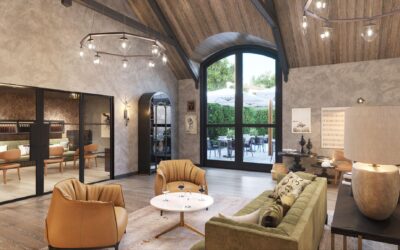
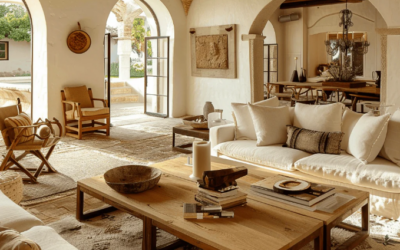
For instance, a large, vibrant sofa can be balanced with more neutral walls and floors. Or, a unique sculptural piece could be paired with simpler furniture to let it truly stand out.
The key is to ensure that while your statement piece is the focal point, it should not clash with the rest of your room but rather, bring the entire design together in a cohesive and aesthetically pleasing way.
Harmony with Subtle Wall Accents
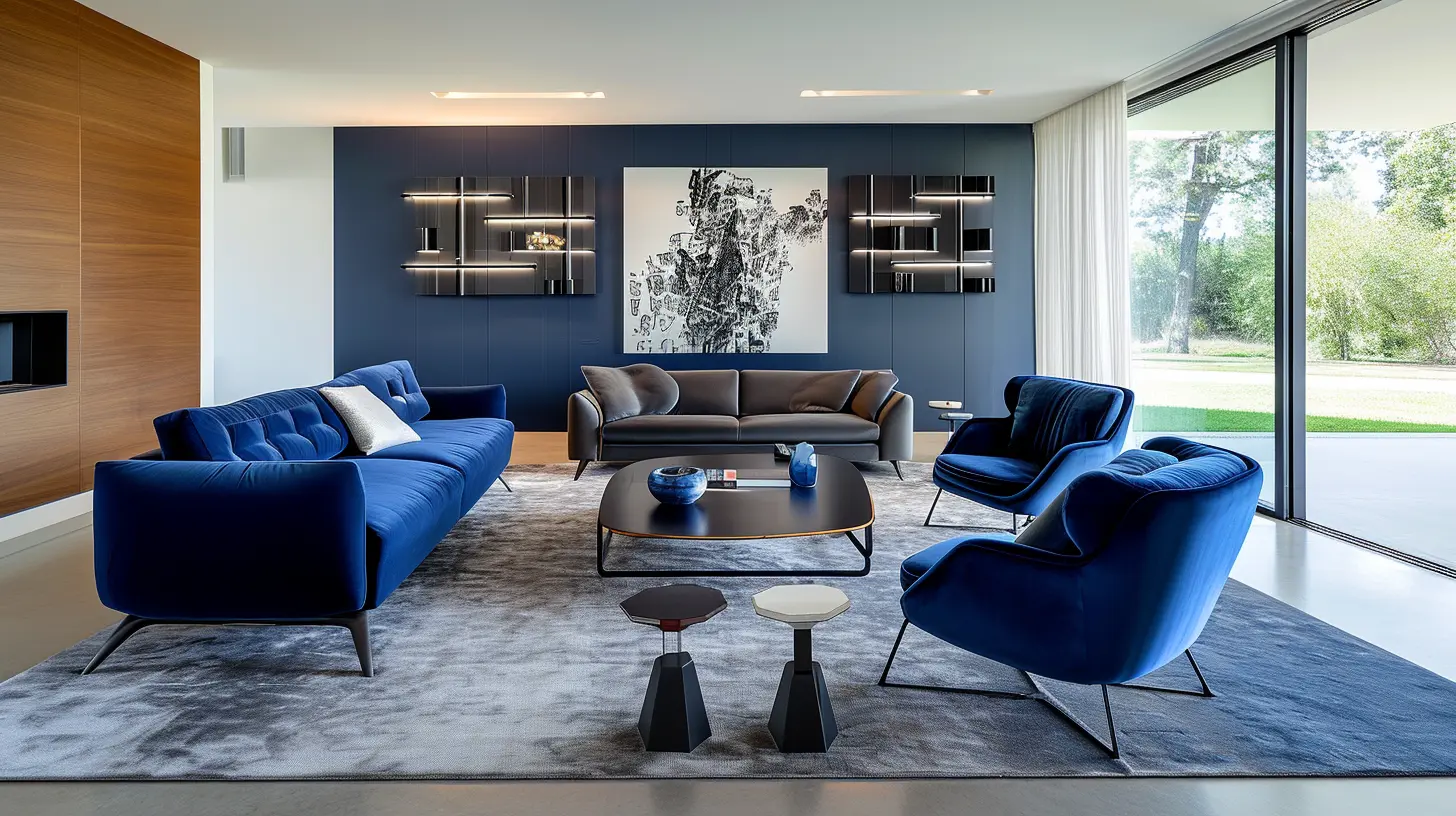
Great interior designs within homes can be boiled dwon to one overarching principle: Balance. One of the biggest issues I see non-design professionals make is ignoring this principle in favor of making more bold or obvious pieces that don’t adhere to a concept but rather look good on their own.
This creates a feeling of chaos and unease and expresses a sense of disunity which is the total opposite of what a well-thought out design aims to achieve.
In this section, we will be discussing the concept of harmony in interior design in more detail and introducing one of my favorite yet understated heroes of room design, wall accents. Let’s dive in…
Principles of Interior Design Harmony
Harmony in interior design is about creating a cohesive and pleasing aesthetic by skillfully combining different elements. It’s the art of balancing variety and consistency to create a space that feels unified and welcoming. To achieve harmony, consider the following:
Color Continuity
Use a consistent color palette throughout your space. This doesn’t mean everything should be the same color, but there should be a clear relationship between the colors used in your furniture and wall accents.
Repetition of Elements
Repeating certain design elements, like patterns or textures, can help tie a room together. For example, a pattern from a statement piece of furniture can be echoed in wall art or decor.
Balance of Proportions
Ensure that the scale of your wall accents complements the size of your furniture and the overall room. Oversized art in a small room can overwhelm, while small accents in a large space can get lost.
Decorating Dull Walls with Elegance
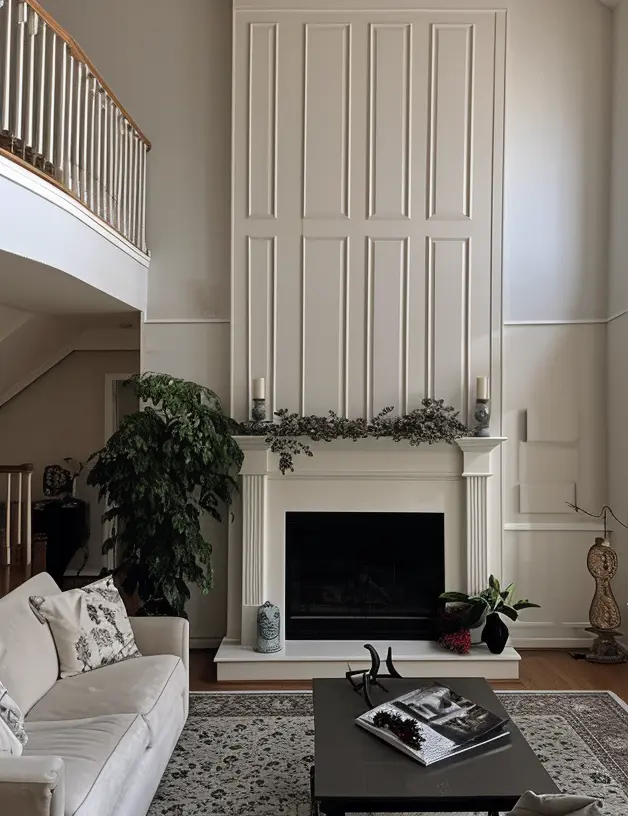
Remember the email from our Santa Rosa client at the beginning of this article? She asked about the right stone veneer for a prominent wall in her living room. When I reviewed the photos she sent, I saw different, more subtle solutions that better suited her space. A costly stone veneer, in this case, might have created an overwhelming and uneasy feeling. This brings us back to our crucial principle: balance and harmony.
Designing for comfort and elegance often involves subtle tweaks that can significantly impact how a space feels. My go-to approach is usually less about big, expensive changes and more about understanding how we perceive space, size, and continuity.
For this client’s long and dull wall, we had a perfect opportunity to explore this. The wall was a blank canvas ready for subtle enhancements that could transform the room. Here’s some of the considerations we made, and you can try these ideas too:
Textured Wallpapers: These can add depth and interest without being overpowering. Choose textures that harmonize with your furniture and the room’s overall theme.
Mirrors and Wall Art: Mirrors can open up a room, making it feel larger. Wall art adds color and personality. Select pieces that match your style and complement the existing colors in the room.
Shelving and Decorative Items: Transform a plain wall with floating shelves. They’re great for displaying books, plants, or personal items that tell your story.
Accent Lighting: Use lighting to highlight special features or create ambiance. Wall sconces or picture lights can focus attention on particular areas, adding a layer of warmth and sophistication.
With these strategies, you can turn a dull wall into an integral part of your home’s design. It’s all about complementing your statement pieces and creating a space that’s both cohesive and inviting.
The Color Story: Themes and Trends
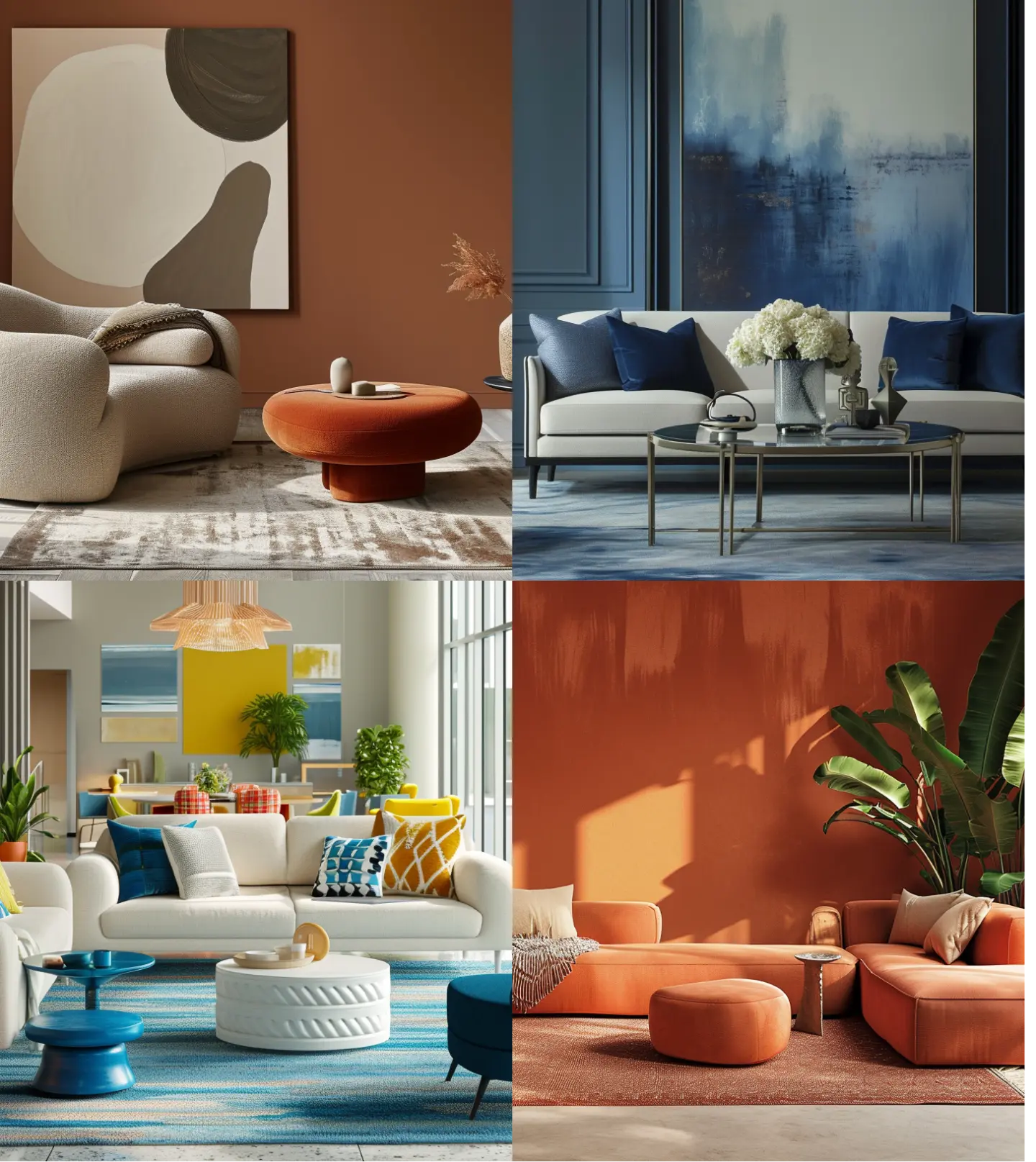
Color is more than just a visual element; it’s a storytelling tool that reflects our emotions, experiences, and the world around us.
Each year, the emergence of new color trends is not just about aesthetic shifts but also about capturing the collective mood and spirit of the times. Why do certain colors become popular in a given year?
It’s often a reflection of the cultural zeitgeist, a response to global events, and a nod to evolving design philosophies.
In this section, we’ll explore the furniture color trends forecasted for 2024 and understand how these hues can play a pivotal role in bringing balance, energy, and harmony to your home.
Forecasting Furniture Colors for 2024
As we look towards the color trends of 2024, it’s evident that the world of interior design is embracing a palette that beautifully marries the bold with the serene, the earthy with the elegant. These upcoming trends reflect a deep connection to nature, a shift towards warmth, and an appreciation for the bold yet versatile.
Bold as the New Neutral
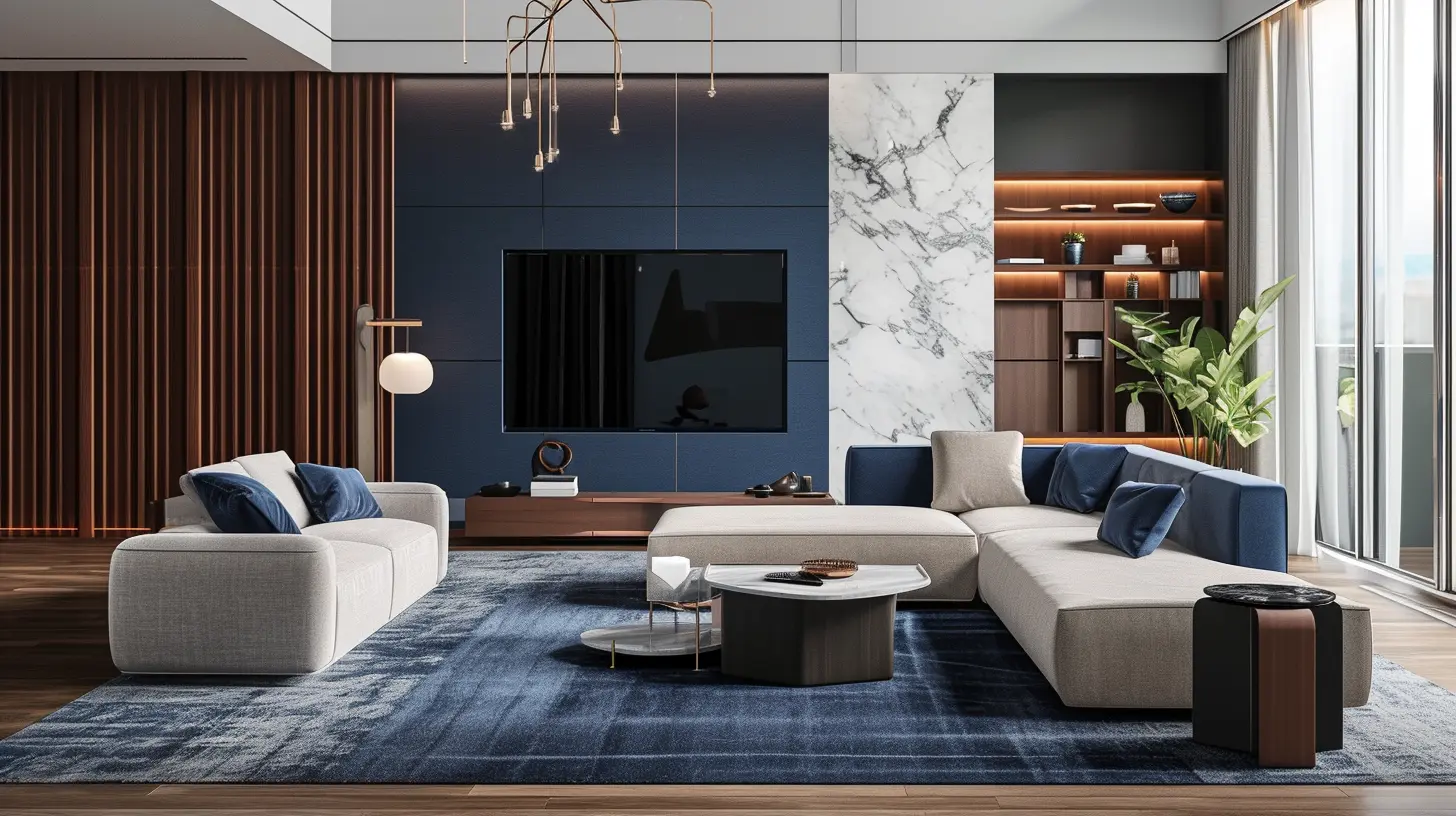
We’re seeing a transformation where bold colors, traditionally used as accents, are becoming the new neutrals. Deep blues, rich browns, and even moody blacks are predicted to be popular choices for furniture. These hues bring a sense of depth and versatility, allowing for dynamic yet grounded interior spaces.
The Allure of Nature-Inspired Tones
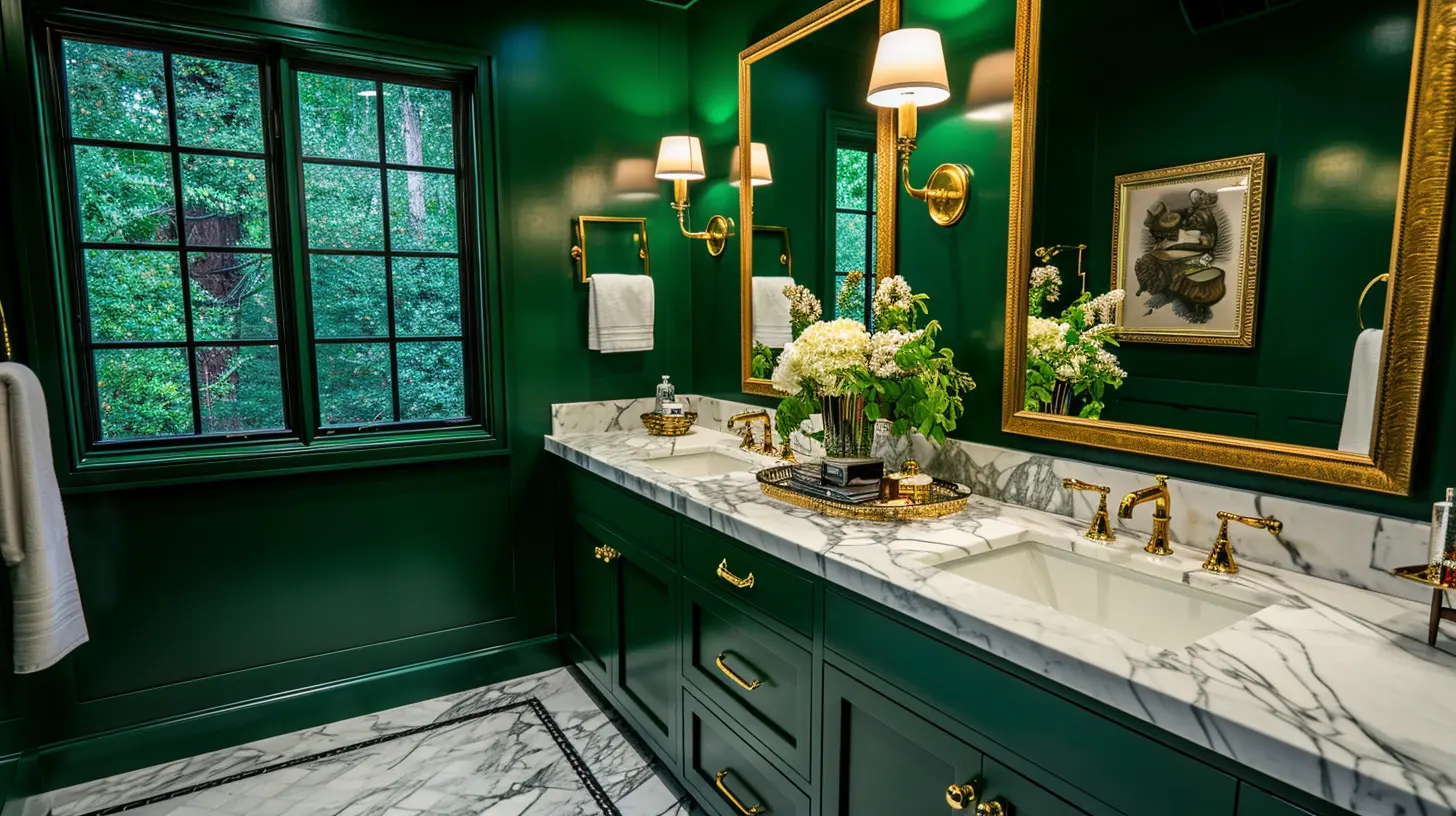
Earthy greens and warm terracottas are taking center stage, bringing the tranquility and grounding essence of nature indoors. These colors are not just comforting; they add an organic touch to our living spaces, making them feel more connected to the natural world.
The Serenity of Blues
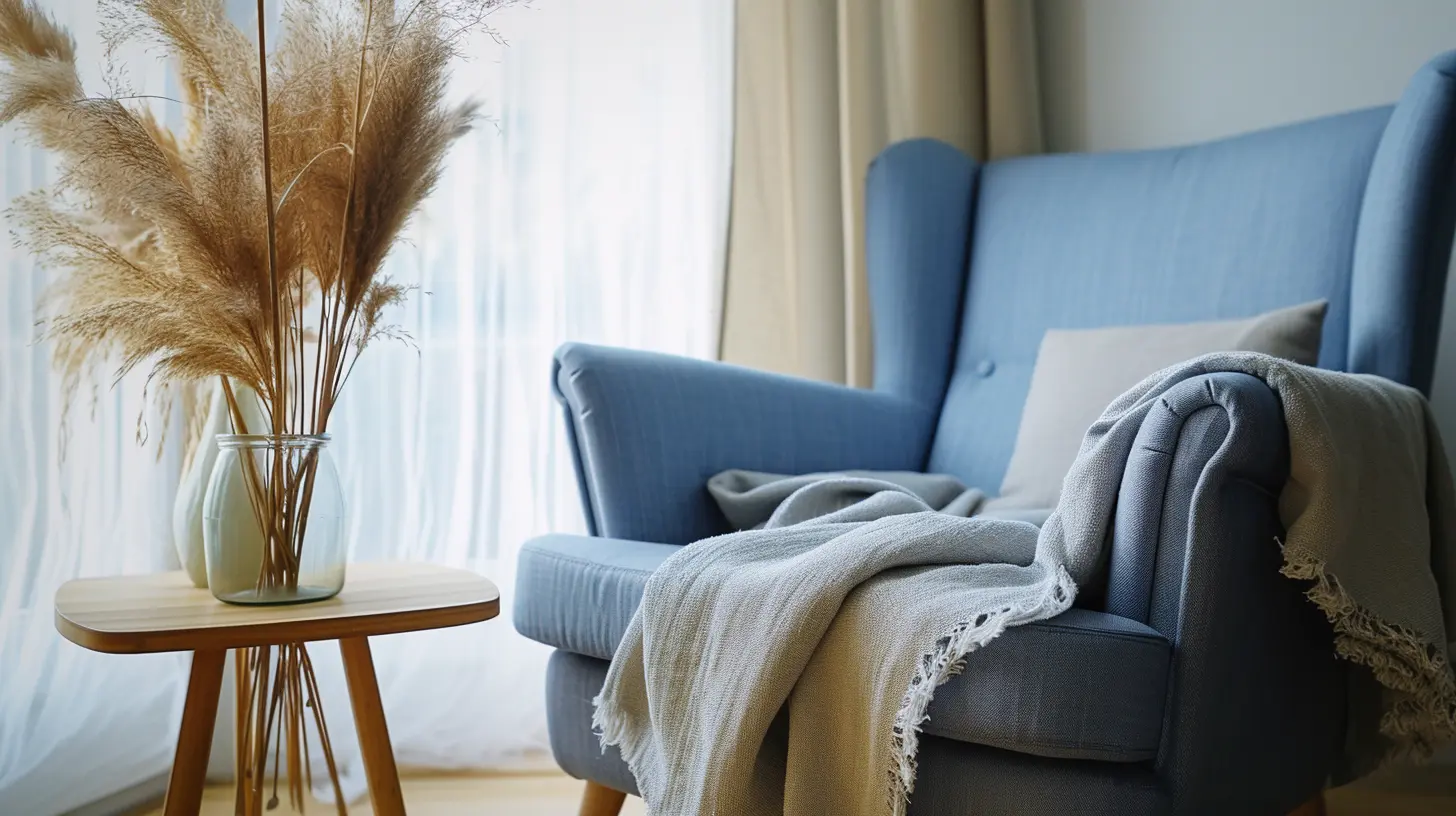
From the deep, statement-making blues of the past, we’re moving towards lighter, more soothing shades. Think of denim blues with subtle gray undertones – colors that offer a sense of calm, spaciousness, and gentle vibrancy to furniture.
Warmth in Pinks and Reds
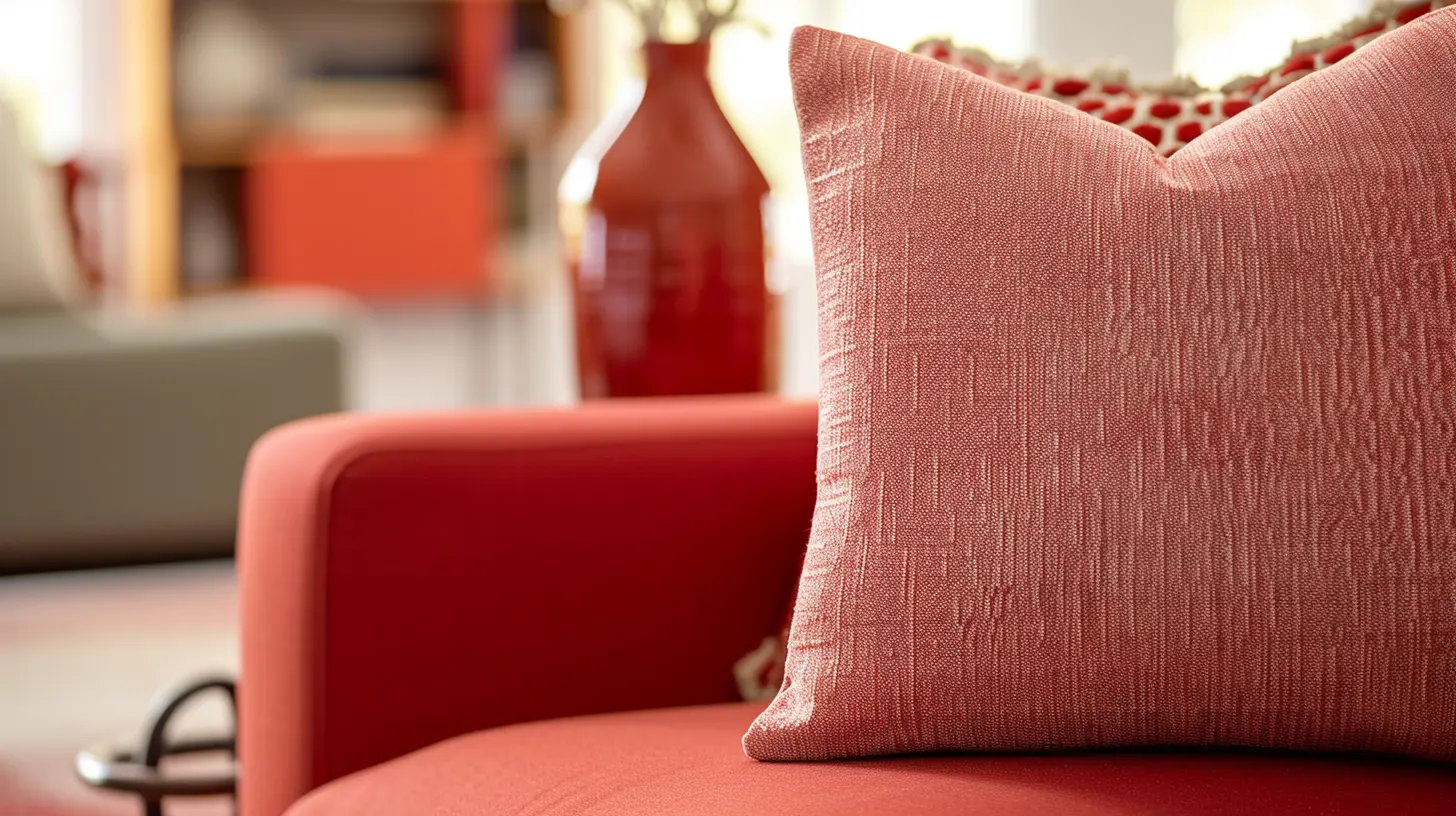
As the trend moves away from stark greys, we’re embracing warmer, earthier pinks and reds. These range from soft blushes to vibrant terracottas, adding a cozy and natural feel to furniture designs.
Embracing Warming Neutral
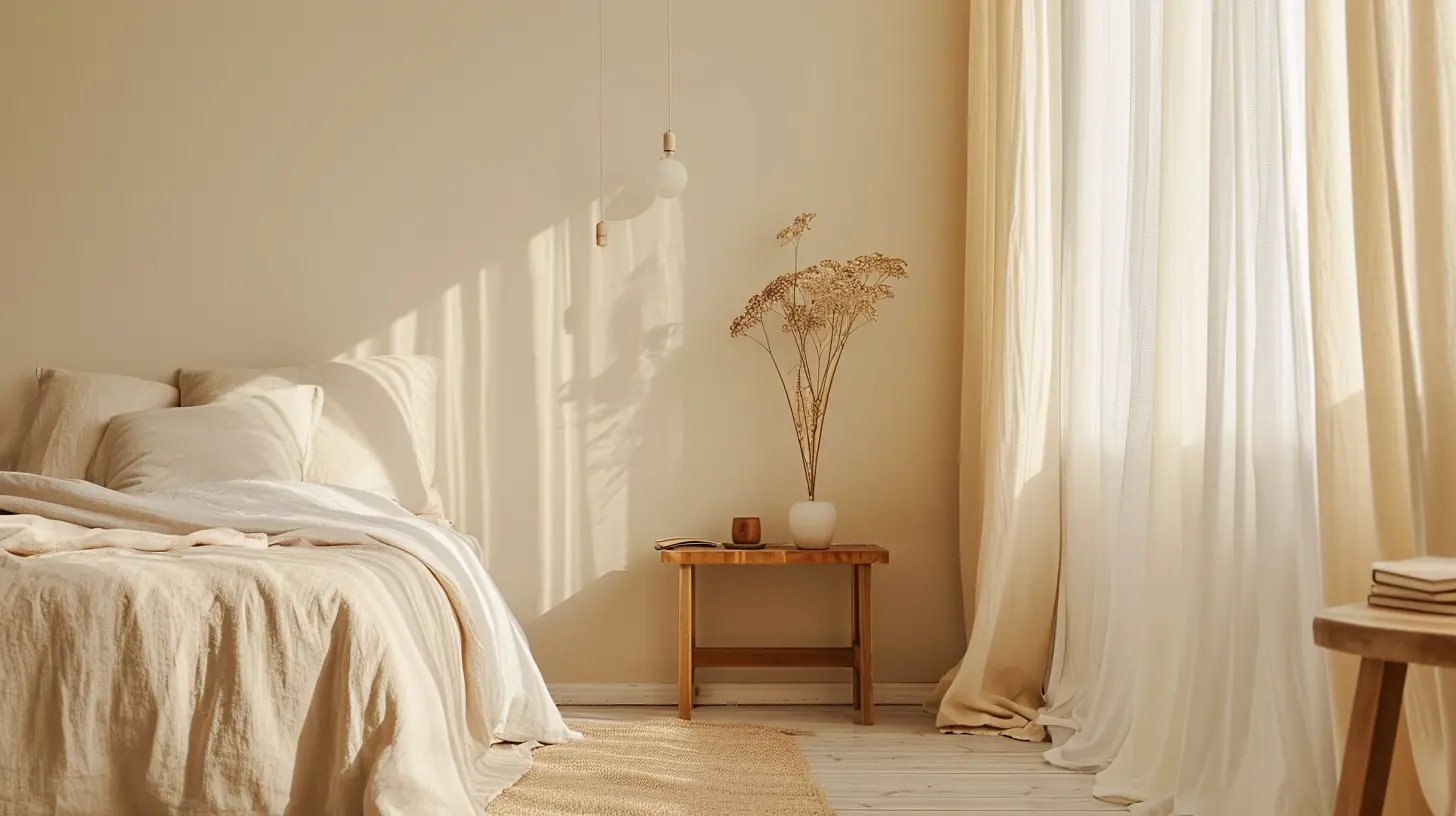
Warm neutrals are becoming increasingly popular. Off-whites, creamy beiges, and buttery tones counterbalance the cooler effects of modern lighting, creating a more inviting and intimate atmosphere.
Monochromatic and Tone-on-Tone
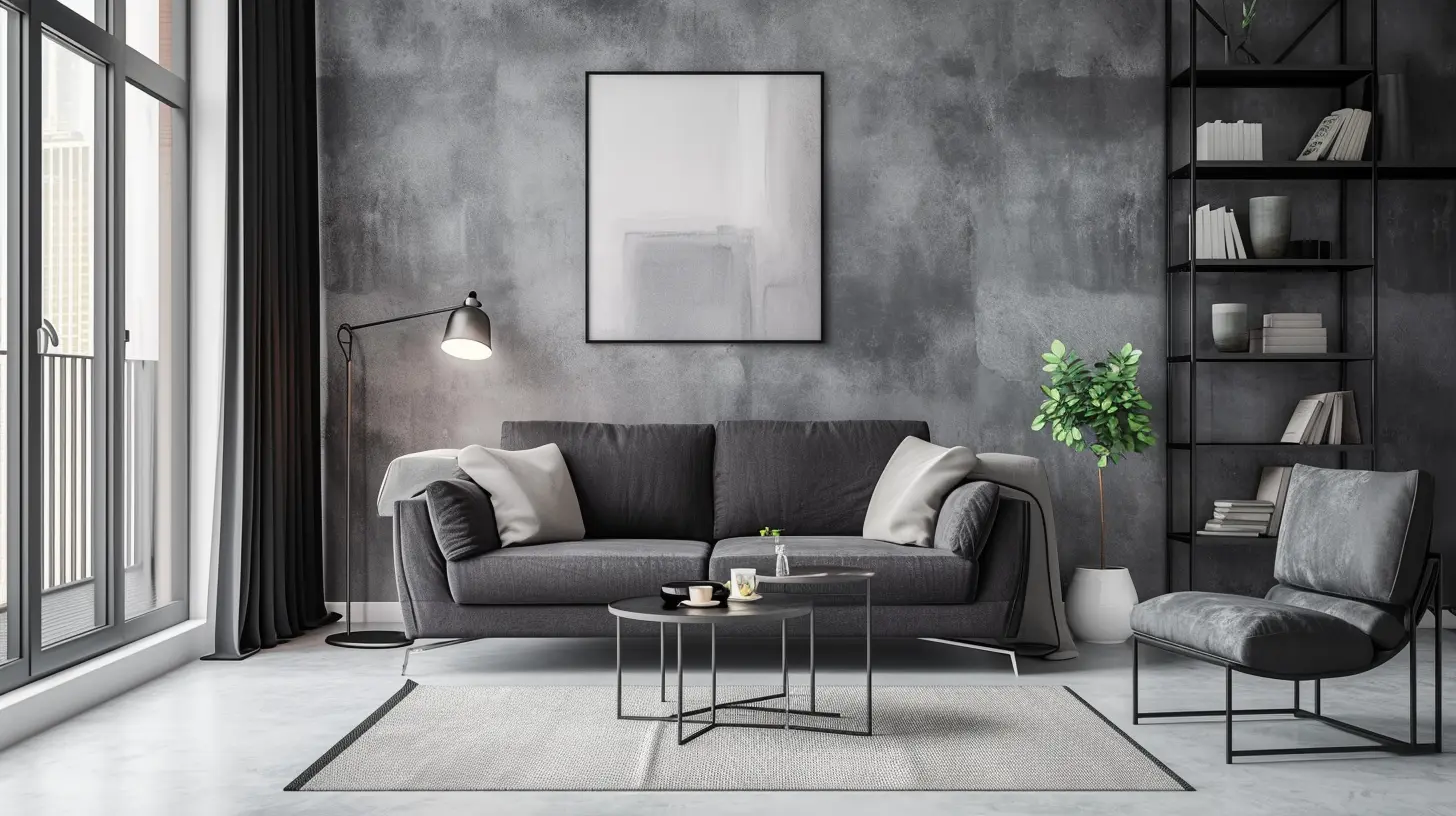
The use of varying shades within the same color family, like monochromatic grays, is a growing trend. This approach lends sophistication and a harmonious feel to the space, allowing for depth and interest through subtle color variations.
Subtlety of Muted Purples
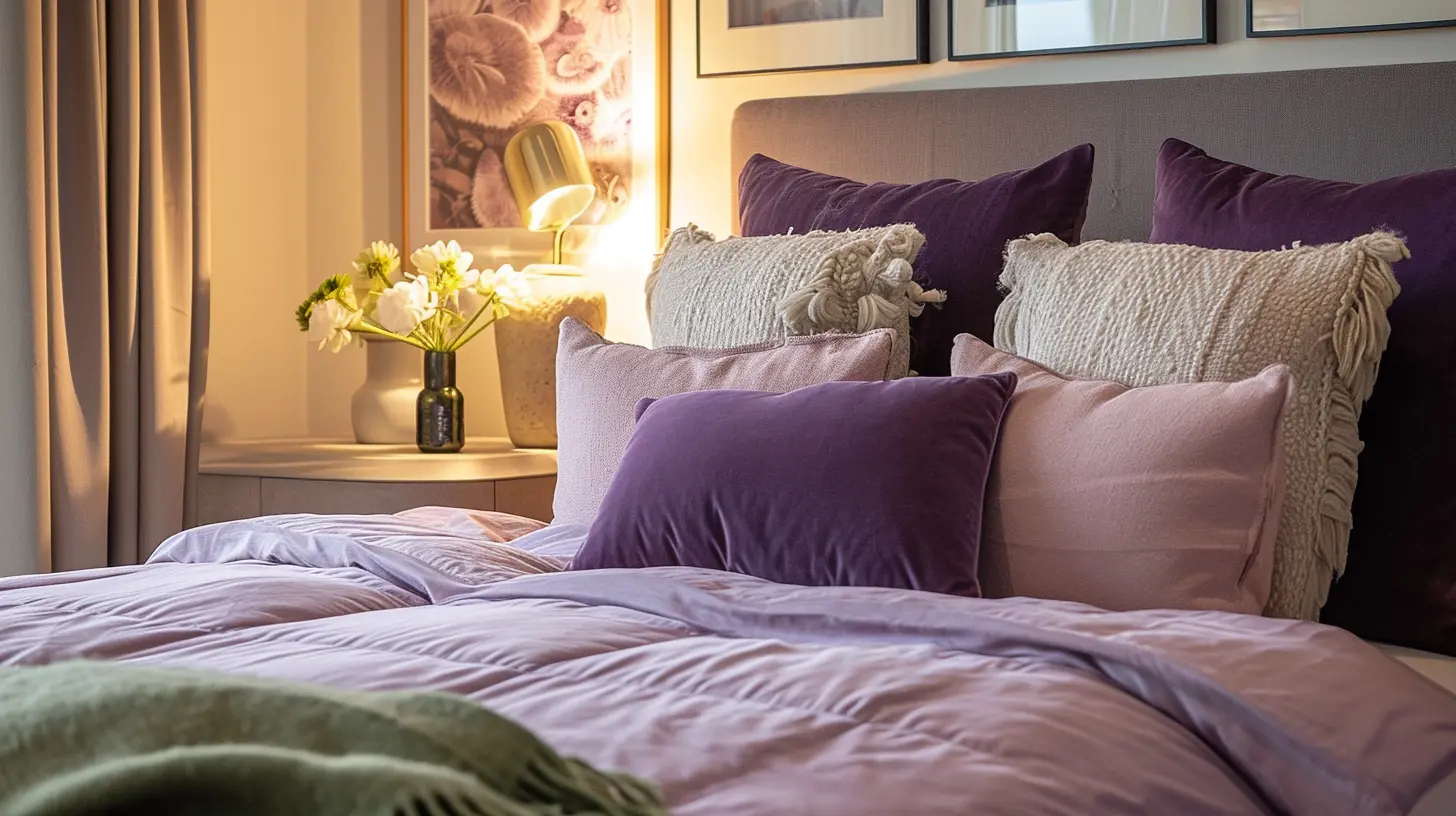
Muted purples are rising in popularity, often paired with complementary colors like pinks, blues, and greens. These shades add a layer of depth and sophistication, enriching the overall color story of the room.
In 2024, furniture colors are set to be a blend of bold and earthy, serene and vibrant. It’s a palette that encourages personal expression and creates spaces that are both comforting and stylistically profound.
Applying the 60-30-10 Color Rule
Now that we’ve explored the exciting color trends of 2024, let’s talk about how to bring these colors into your living spaces in a way that’s both stylish and balanced. This is where the 60-30-10 color rule, a time-tested guideline in interior design, comes into play. It’s not just a rule; it’s a roadmap to creating a space that feels harmonious and cohesive.
60%: The Dominant Color
This is the color that anchors your space. It’s the backdrop to your story, setting the tone without overpowering. Using an earth tone or a warm neutral from the 2024 trends as your dominant color can create a soothing and grounded base. Think of it as the canvas on which the rest of your room will come to life.
30%: The Secondary Color
This is the supporting character in your color story. It adds depth, contrast, and interest. About 30% of your space should feature this color. It could be the fabric of your accent chairs or the hues in your curtains. Imagine using a complementary shade from the trending colors like a serene blue or a lush green, creating a dialogue with your dominant color.
10%: The Accent Color
This is where your space gets its personality, its flair. It’s a splash of boldness or a whisper of subtlety that adds that final touch of magic. Only 10% of your room should have this color (remember that statement piece I spoke about earlier?), but it’s what makes the design uniquely yours. A pop of muted purple, a stroke of vibrant terracotta, or a hint of moody black from our 2024 palette can elevate your space from harmonious to captivating.
By thoughtfully applying the 60-30-10 rule, you’re not just following a formula; you’re weaving a color story that resonates with the latest trends while staying true to your personal aesthetic. It’s about crafting spaces that are not only visually appealing but also deeply connected to the current cultural and emotional landscape.
Designing Attractive Living Spaces
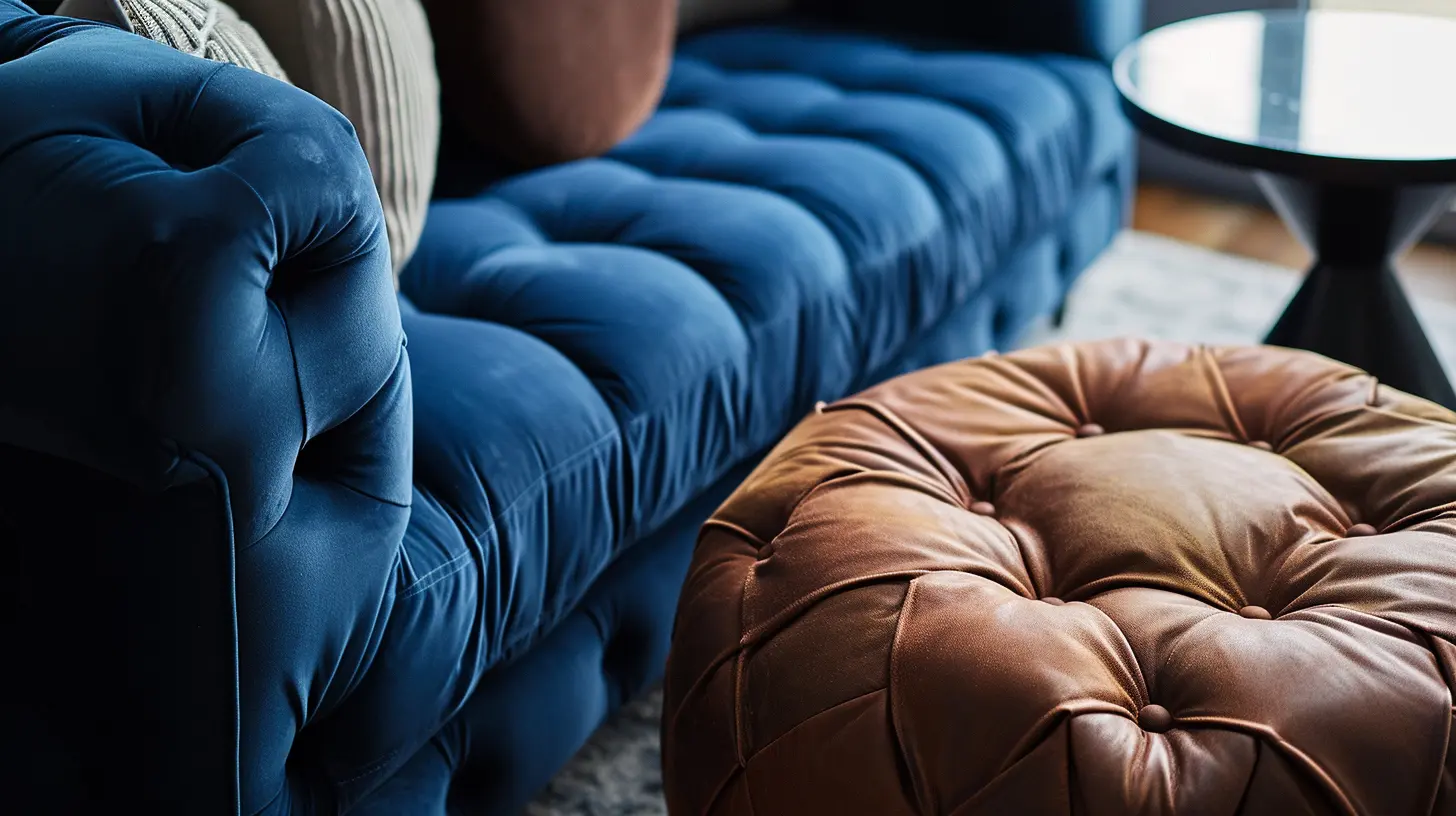
The secret to designing attractive living spaces lies in understanding the essence of ‘living’ in these spaces. It’s easy to get caught up in the myriad of design choices, focusing on individual elements rather than the space’s holistic purpose. A living room, at its heart, is a sanctuary for gathering, sharing, and unwinding with family and guests. It’s a place where comfort, warmth, and togetherness should take center stage.
When it comes to quirky or unconventional layouts, every design decision should pivot around enhancing the livability and enjoyment of these spaces. In this section, I’ll guide you through some practical tips to transform your living room into a more inviting and comfortable space. Plus, I’ll share the surprisingly simple solution I provided for my client’s dilemma, the one I mentioned at the beginning of this article. You might be surprised at just how straightforward it can be to turn a design challenge into an opportunity.
Making Your Living Room More Inviting
Transforming your living room into an inviting haven involves more than just aesthetics; it’s about creating a space that resonates with warmth and personality. Here are some essential tips to guide you in crafting an inviting atmosphere:
Embrace Comfort: Comfort is the cornerstone of an inviting living room. Plush sofas, cozy throw pillows, and soft rugs are not just furnishings, but an invitation to relax and feel at home. These elements of comfort are key in creating a space where everyone wants to linger.
Lighting Matters: The right lighting sets the mood. Employ a mix of layered lighting – overhead for brightness, floor lamps for focused light, and table lamps for a soft glow. Each layer plays its part in adding warmth and depth to your living space.
Personal Touches: Infuse your living room with elements that tell your story. Display family photos, beloved artworks, or keepsakes from your travels. These personal touches add unique character and make your space more welcoming.
Nature Indoors: Integrating plants or flowers brings a piece of the natural world into your home. Besides their aesthetic appeal, they improve air quality and connect you with the calming essence of nature.
Functional Layout: Arrange your furniture to encourage easy conversation and interaction. Opt for a U-shape or L-shape around a central coffee table to create a balanced and engaging environment that invites social interaction.
Following these tips, you can transform your living room into a warm and welcoming space that encourages comfort, conversation, and personal expression.
Solutions for Awkward Living Room Layouts
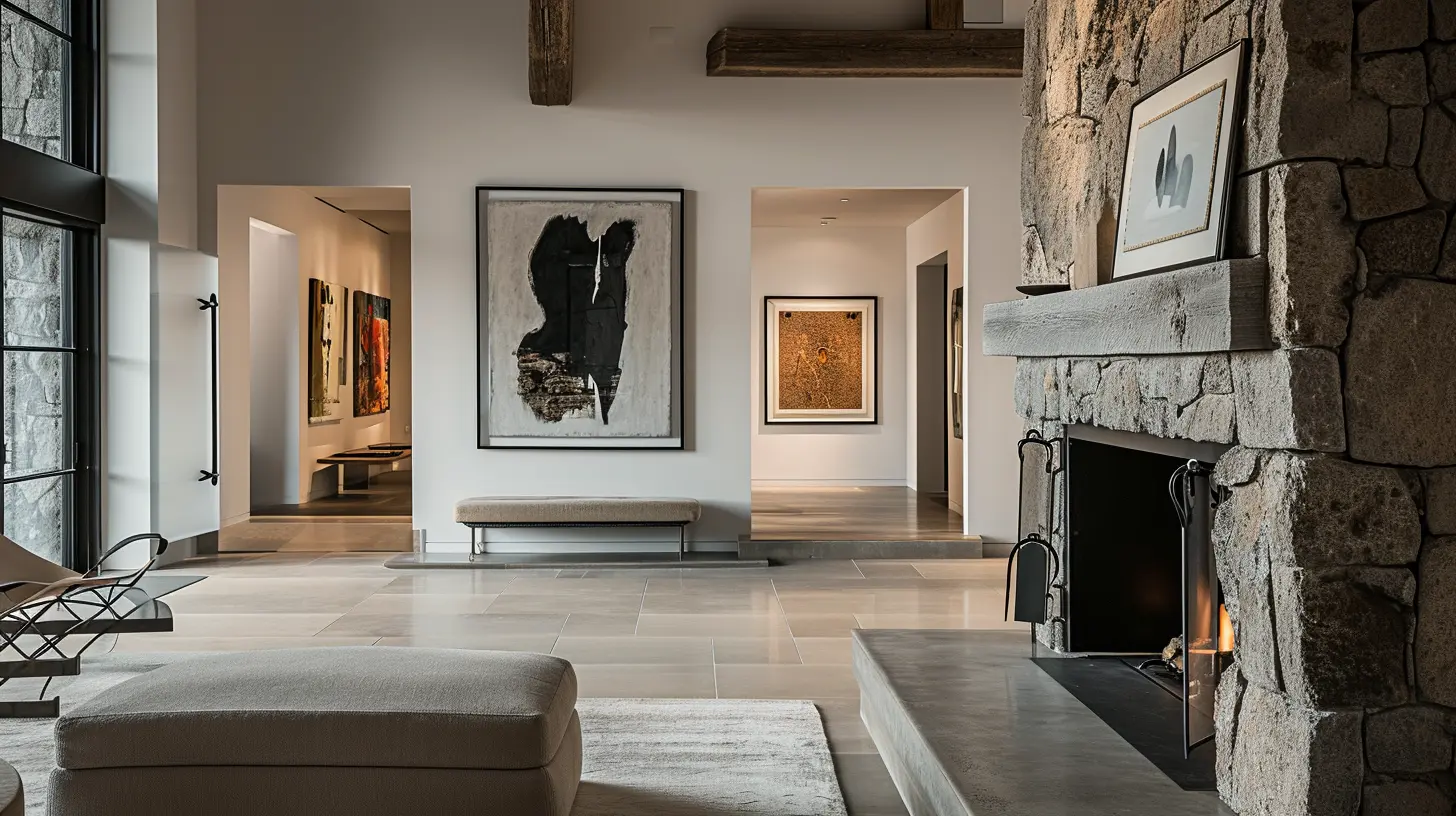
Tackling an awkward living room layout requires a blend of creativity and strategic planning. Let’s circle back to our Santa Rosa client’s dilemma – the expansive wall around their fireplace. The goal was to enhance this key area without it dominating the room. Here’s how we can address such unique layout challenges, drawing on the insights from this experience:
Define Zones: Awkward spaces often benefit from being broken down into distinct zones. In larger or irregularly shaped living rooms, consider creating a cozy reading nook, a dedicated conversation area, or a comfortable TV-watching spot. Area rugs are fantastic for visually demarcating these zones, subtly defining each area’s purpose.
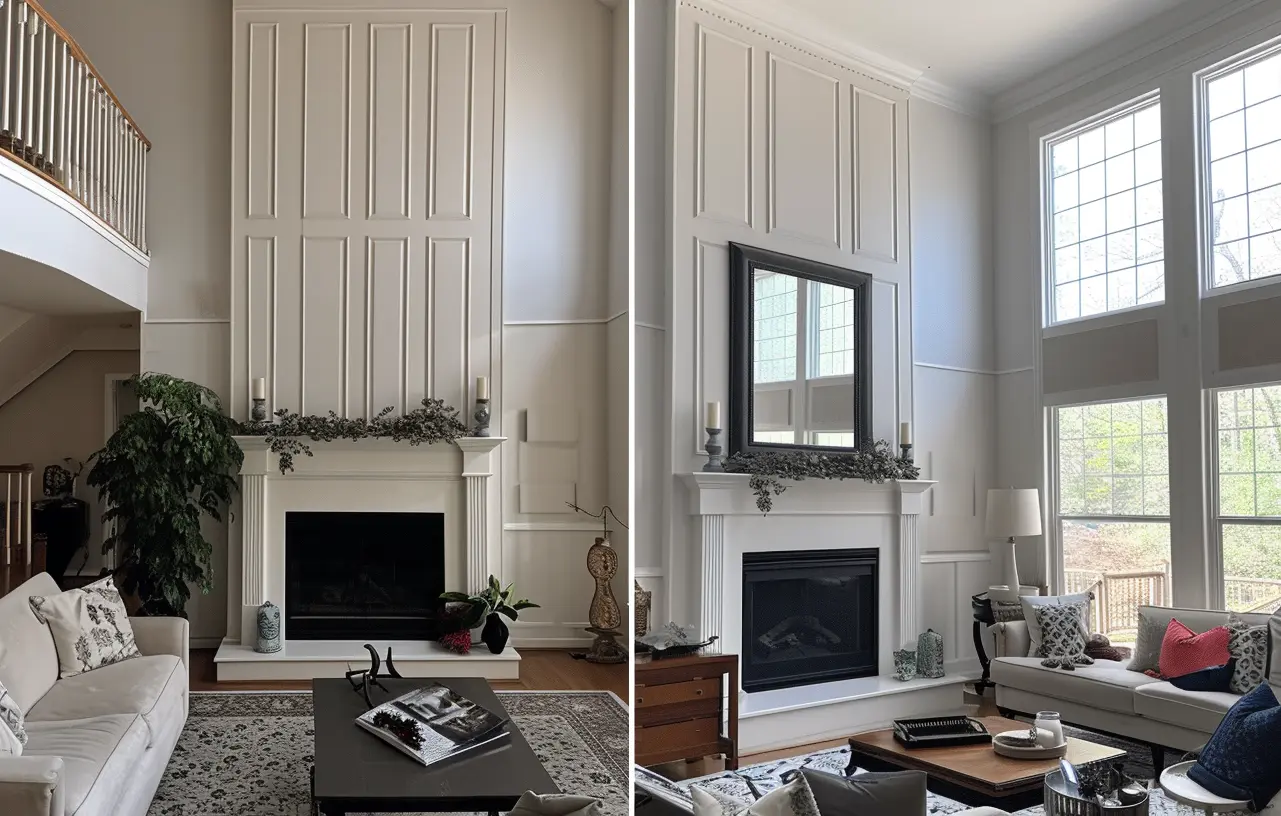
Focal Point Mastery: A well-defined focal point can anchor the entire room. For our Santa Rosa client, the fireplace naturally drew attention. Instead of the stone veneer, we opted to highlight it with a large, elegant mirror. This choice not only added aesthetic appeal but also brought balance and a sense of depth to the space.
Flexible Furniture Solutions: In rooms where space is a puzzle, flexible furniture becomes key. Think ottomans that double as storage, benches that can move around easily, or nesting tables that offer versatility. Such pieces allow you to adapt the room to various needs and occasions.
Strategic Use of Mirrors and Art: Mirrors have the magical ability to make spaces feel larger and more open. Strategically placed art can also redirect focus, drawing the eye to designed features rather than awkward aspects of the room.
In implementing these strategies for our Santa Rosa client, the choice to avoid the stone veneer in favor of a tasteful mirror and complementary wall accents proved transformative. Combined with intelligent furniture placement, the living room evolved into a space that was not just visually appealing, but harmonious and inviting – a testament to the power of thoughtful design in overcoming layout challenges.
Wrapping It All Up: The Recap
In our journey through the realms of interior design, we’ve unraveled the essence of creating balanced, inviting, and harmonious spaces. Remember, the key to a successful design lies in understanding the purpose each space serves in your life. It’s not always about grand remodels or expensive makeovers. Often, the most impactful changes come from thoughtful enhancements that respect and elevate the existing character of your home.
We discussed the importance of statement pieces in defining a room, the art of balancing bold furniture with subtle wall accents, and the role of color in weaving a cohesive story. From the practicalities of the 60-30-10 color rule to navigating the quirks of awkward living room layouts, our goal has always been to guide you toward creating spaces that resonate with comfort, functionality, and personal style.
Interior design is not just about aesthetics; it’s about creating environments that reflect who you are and how you live. It’s about making your home not just a showcase of trends, but a sanctuary of your unique story.
Applying These Lessons
Now, it’s your turn to take these insights and apply them to your own spaces. We’d love to hear about your design journey. Have you transformed a challenging room into a beloved space? Did you find a creative way to integrate a bold statement piece? How have you used color to alter the mood and feel of your rooms?
Share your stories, experiences, and photos with us. Let’s inspire each other with tales of design challenges turned into triumphs, and spaces transformed into true expressions of personal style.