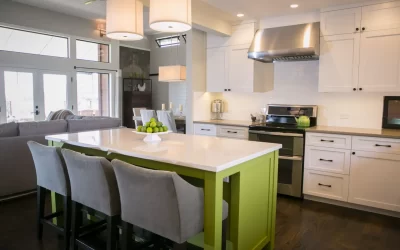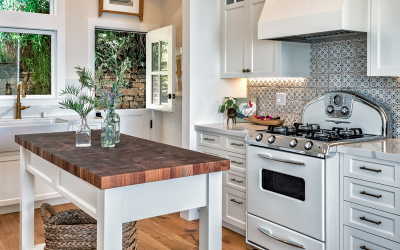


Efficiency in Design: Making the Most out of Challenging Kitchen Spaces
Introduction

The Importance of Kitchen Design Efficiency
The heart of the home, the kitchen, isn’t just a place for culinary creations—it’s a space where design efficiency significantly impacts daily life. Efficiency in kitchen layouts is a foundational building block that dictates the flow and functionality of your culinary haven. Why does this matter?
An efficient kitchen layout seamlessly integrates style with practicality, making every cooking experience not just a task, but a delight. Whether dealing with a large kitchen layout or a cozy galley, the right design can transform the most challenging spaces into areas of comfort and efficiency.
What to Expect in This Article
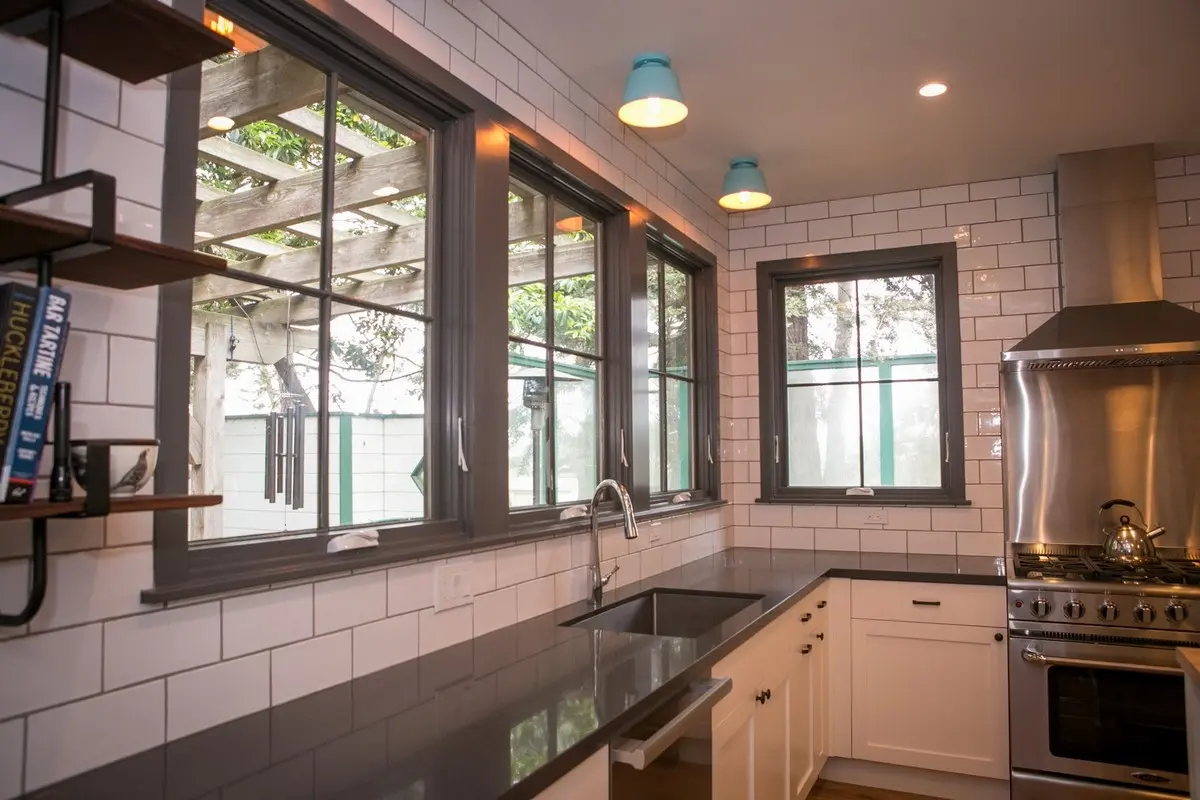
We will explore the intricacies of kitchen design, focusing on understanding the basics of different kitchen layouts—including the popular large kitchen layout with an island—and mastering the art of efficient space utilization.
This article covers practical tips for planning your kitchen, creative solutions for common problem areas, and genius storage ideas.
By the end, you’ll have the knowledge and inspiration needed to tackle even the most awkward kitchen layouts, turning them into models of efficiency and style.
Understanding Kitchen Layouts

The Basics of Kitchen Layouts

The layout of a kitchen is like the blueprint for efficiency and style. Common layouts include the L-shape, U-shape, galley, and island layouts.
The L-shaped kitchen optimizes corner space and is ideal for both small and medium-sized kitchens.
U-shaped kitchens offer ample counter and storage space, suitable for larger kitchens.
Galley kitchens, characterized by two parallel counters, make excellent use of limited space, ensuring everything is within reach.
Island kitchens add a versatile central unit that can be used for cooking, dining, or socializing.
Large Kitchen Layouts: Strategies and Ideas
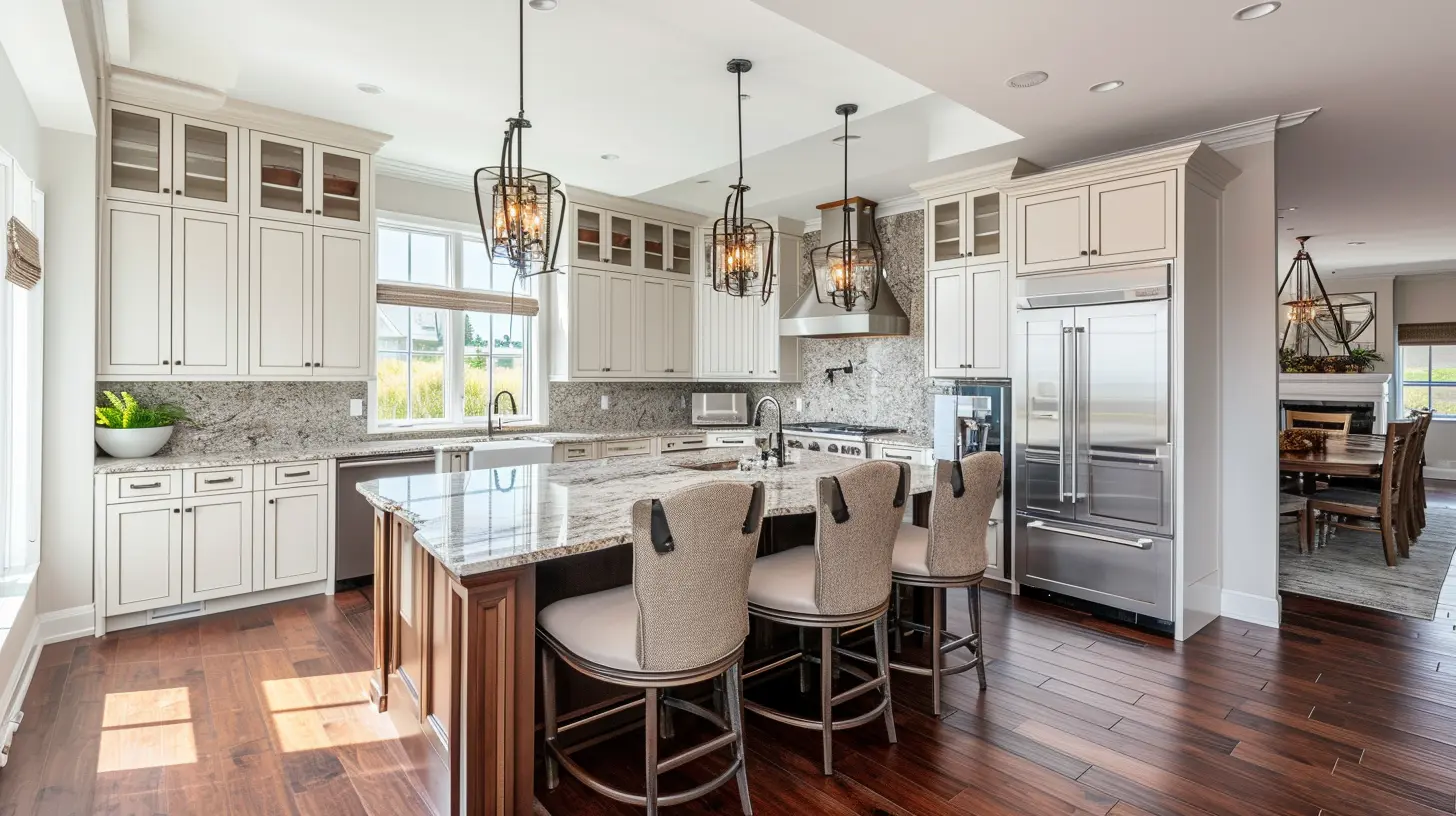
Designing a large kitchen comes with its own set of considerations. A spacious kitchen should balance openness with the efficiency of the work triangle—a concept that arranges the sink, stove, and refrigerator in a triangular layout to optimize efficiency in movement.
Keep this work triangle concept in mind, as we will delve into it more thoroughly in the next section.
Incorporating an island is a popular choice in large kitchens, as it provides additional workspace and can act as a gathering point. The key is to maintain a flow that allows for easy movement between different areas of the kitchen.
A U-shaped layout, often combined with an island, can be the most space-efficient for large kitchens, offering an open layout without sacrificing functionality.
How does your current kitchen layout align with these common types, and what changes could enhance its functionality and style?
Small & Narrow Kitchen Layouts

Conversely, small and narrow kitchens require a different approach. Here, the objective is to maximize space without compromising on functionality.
Galley or L-shaped layouts are often the best choices for these kitchens. In a narrow space, keeping the upper cabinets to one side of the room can help the kitchen feel wider. Light colors, reflective surfaces, and strategic lighting can also make a small or narrow kitchen appear more spacious and inviting.
The key is to utilize every inch smartly, creating a space that is both functional and aesthetically pleasing.
Tips for Planning an Efficient Kitchen Layout
Take Measurements and Map Out the Space
Before diving into redesigning your kitchen, it’s essential to take accurate measurements of the space. This step is foundational in understanding what you can achieve within the given area.
Start by measuring the length and width of the room, including the placement of windows and doors. Don’t forget to note the height of the ceiling for potential overhead storage solutions. With these measurements in hand, create a scaled map of your kitchen. This visual representation will be invaluable in planning your layout, allowing you to experiment with different configurations before committing to any changes.
Focus First on the Work Triangle
As promised, let’s explore the work triangle concept we introduced earlier. This principle involves placing the stove, sink, and refrigerator in a triangular pattern to optimize efficiency and reduce unnecessary movement.
An efficient work triangle can make kitchen tasks flow more smoothly, particularly in high-use areas.
For small kitchens, the best layout often involves a single-wall or galley design, where appliances and workspaces align along one or two opposing walls, respectively. These layouts can maintain the work triangle in a compact space.
To make a small kitchen look bigger, consider using lighter colors, as they reflect more light and give an illusion of more space. Mirrored backsplashes and glossy finishes can also amplify light and create a sense of openness.
Be Strategic About Appliance and Cabinet Placement
The placement of appliances and cabinets can make or break the functionality of your kitchen. Consider the frequency of use for each appliance and position them accordingly. For instance, place the dishwasher near the sink for easy loading and unloading.
Cabinets should be arranged to provide easy access to items you use regularly. Upper cabinets are perfect for storing less frequently used items, while lower cabinets should be reserved for everyday essentials.
Incorporating pull-out shelves and drawer organizers can also enhance the usability and efficiency of your storage space.
Tips for Planning an Efficient Kitchen Layout
Take Measurements and Map Out the Space
Before diving into redesigning your kitchen, it’s essential to take accurate measurements of the space. This step is foundational in understanding what you can achieve within the given area.
Start by measuring the length and width of the room, including the placement of windows and doors. Don’t forget to note the height of the ceiling for potential overhead storage solutions. With these measurements in hand, create a scaled map of your kitchen. This visual representation will be invaluable in planning your layout, allowing you to experiment with different configurations before committing to any changes.
Focus First on the Work Triangle
As promised, let’s explore the work triangle concept we introduced earlier. This principle involves placing the stove, sink, and refrigerator in a triangular pattern to optimize efficiency and reduce unnecessary movement.
An efficient work triangle can make kitchen tasks flow more smoothly, particularly in high-use areas.
For small kitchens, the best layout often involves a single-wall or galley design, where appliances and workspaces align along one or two opposing walls, respectively. These layouts can maintain the work triangle in a compact space.
To make a small kitchen look bigger, consider using lighter colors, as they reflect more light and give an illusion of more space. Mirrored backsplashes and glossy finishes can also amplify light and create a sense of openness.
Divide Your Kitchen Into Work Cooking Zones
Creating distinct zones in your kitchen can significantly enhance its functionality and workflow. Here’s a breakdown of these zones:
Consumables Zone: This is the primary area for storing food. It typically includes the refrigerator, where fresh foods are kept, and a pantry or designated cabinets for dry goods, cooking oils, and other non-perishable items. Organizing this zone by food type and frequency of use can make meal planning and grocery shopping more efficient.
Non-Consumables Zone: This zone is dedicated to storing everyday items like plates, bowls, glasses, and silverware. It should be conveniently located near the dishwasher for easy unloading. Additionally, this area can include storage for measuring cups, wooden spoons, and other frequently used utensils, ideally positioned for easy access during meal prep.
Cleaning Zone: Central to this zone are the sink and dishwasher. It’s designed for efficiency in cleaning tasks, with storage for cleaning supplies, dish soap, and sponges. Ideally, this zone should be situated near the consumables and non-consumables zones to streamline the process of unloading groceries and dishwashing.
Preparation Zone: This area is where most of the food preparation happens. It could be a stretch of countertop, a kitchen island, or any dedicated space for chopping, mixing, and assembling meals. The preparation zone should have ample counter space, good lighting, and be equipped with cutting boards, knives, mixing bowls, and other prep tools.
Cooking Zone: Housing all the cooking equipment such as the stovetop, oven, and possibly a range or microwave, this zone is the heart of the kitchen. It should be thoughtfully arranged to ensure safety and ease of use. Pots, pans, cooking utensils, and heat-resistant surfaces should be within arm’s reach. If possible, this zone should be positioned to allow for social interaction with family or guests without interfering with the cooking process.
By clearly defining and organizing these zones, you can streamline your kitchen activities, making cooking and cleaning more efficient and enjoyable.
Consider A Direct Traffic Flow
The integration of built-in appliances is not just a space-saving measure, but it’s also about creating a cohesive and unobstructed flow in the kitchen.
One tip can be found in Design Swan’s article on maximizing kitchen traffic flow…
“When shopping for kitchen appliances, consider going with a built-in fridge instead of a full-sized stand-alone refrigerator. Since a built-in fridge doesn’t stick out from your cabinetry, you stretch your limited space, which helps maximize your kitchen traffic flow”
This approach ensures that movement within the kitchen is fluid and natural, minimizing the chances of bottlenecks, especially in areas of high activity.
Additionally, considering the placement of these appliances in relation to the work triangle can further enhance the kitchen’s functionality.
Use Vertical Storage Space

Using vertical storage solutions effectively transforms how space is perceived and used in a kitchen.
From Storables’ article on small kitchen layouts, we get this insightful suggestion:
“Utilize space-saving layouts and innovative storage solutions to optimize your small kitchen. Incorporate light-colored cabinets, mirrored backsplashes, and minimalist designs for a visually appealing and efficient culinary oasis”
Tall cabinets and open shelving not only provide ample storage but also draw the eye upwards, creating a sense of openness and airiness in a small kitchen.
Implementing light-colored cabinets and mirrored backsplashes not only maximizes the perception of space but also contributes to a more inviting and brighter kitchen environment. These elements combine aesthetics with functionality, making the kitchen not just a place for cooking but a centerpiece of the home.
Avoid Bad Lighting
Effective lighting in a kitchen goes beyond mere functionality; it’s a fusion of safety, ambiance, and aesthetics. A well-lit kitchen should feature a blend of different lighting types:
Task Lighting
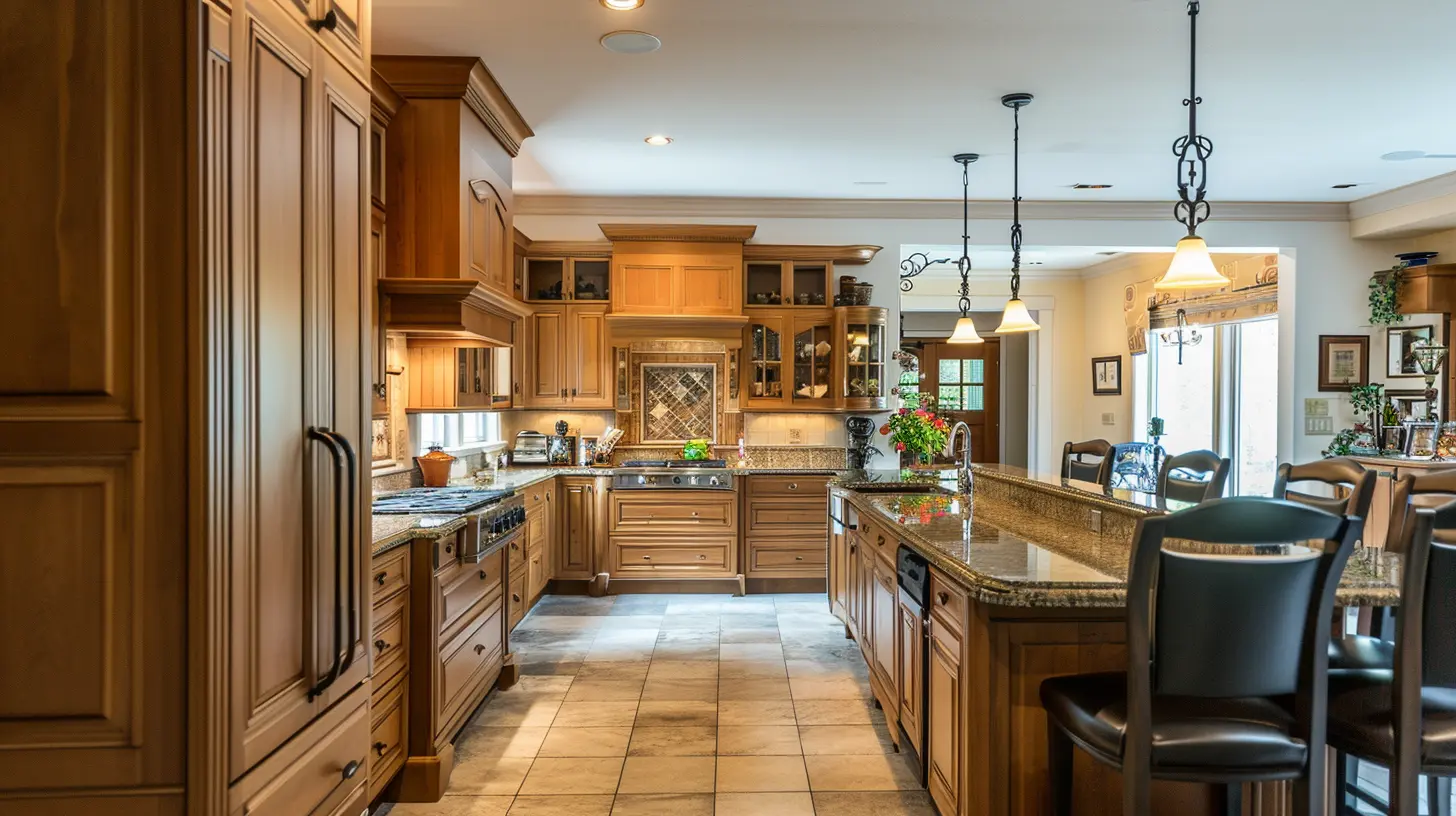
Essential for illuminating workspaces, task lights should be placed over countertops, sinks, and cooking areas to provide clear visibility for chopping, reading recipes, or cleaning. Under-cabinet lights are a perfect example of task lighting that can significantly enhance the functionality of work areas.
Ambient Lighting
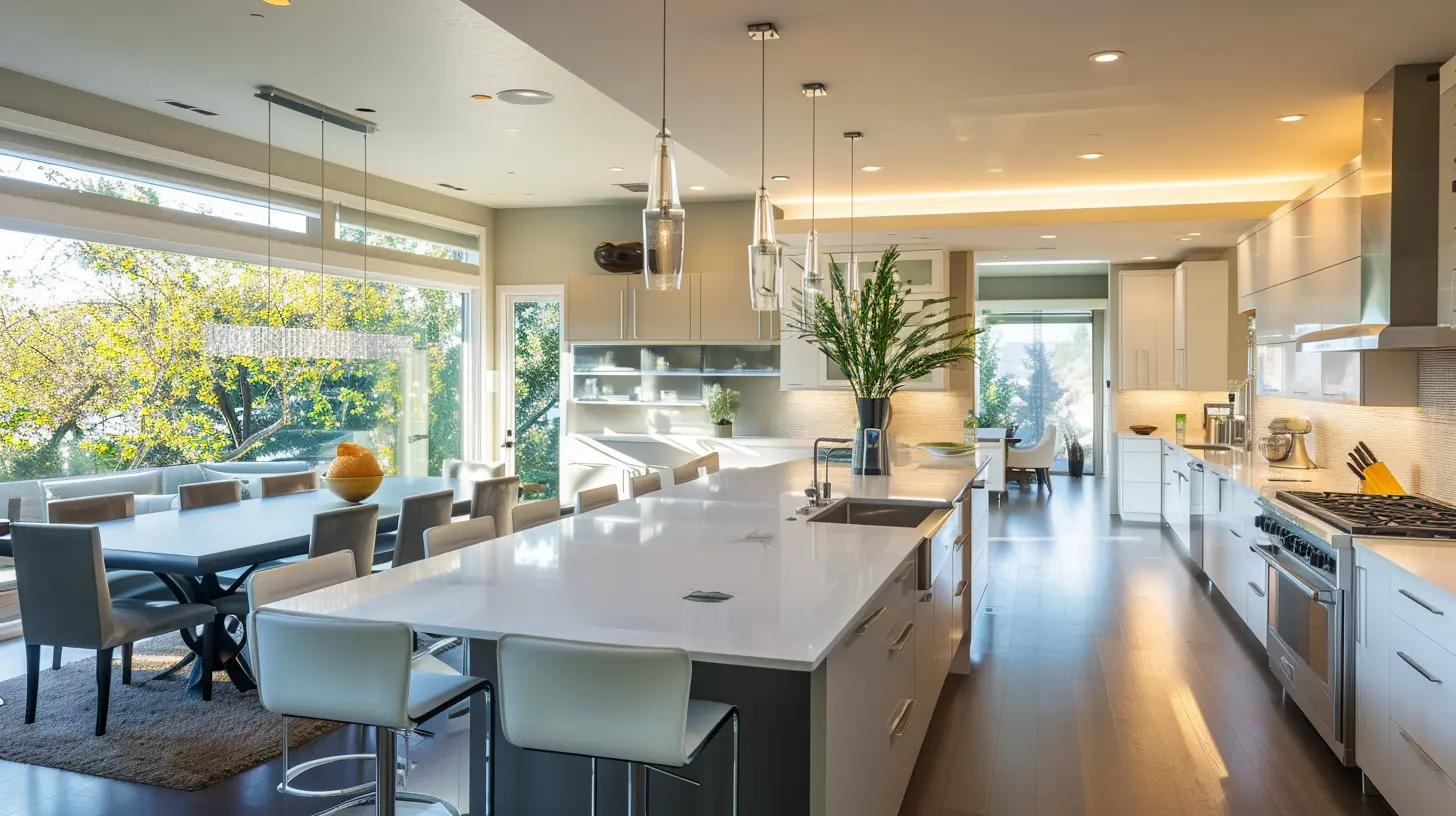
This is the general illumination of the space. Ceiling-mounted or recessed fixtures that provide even lighting help set the mood of the kitchen and can make it feel more open and inviting.
Accent Lighting
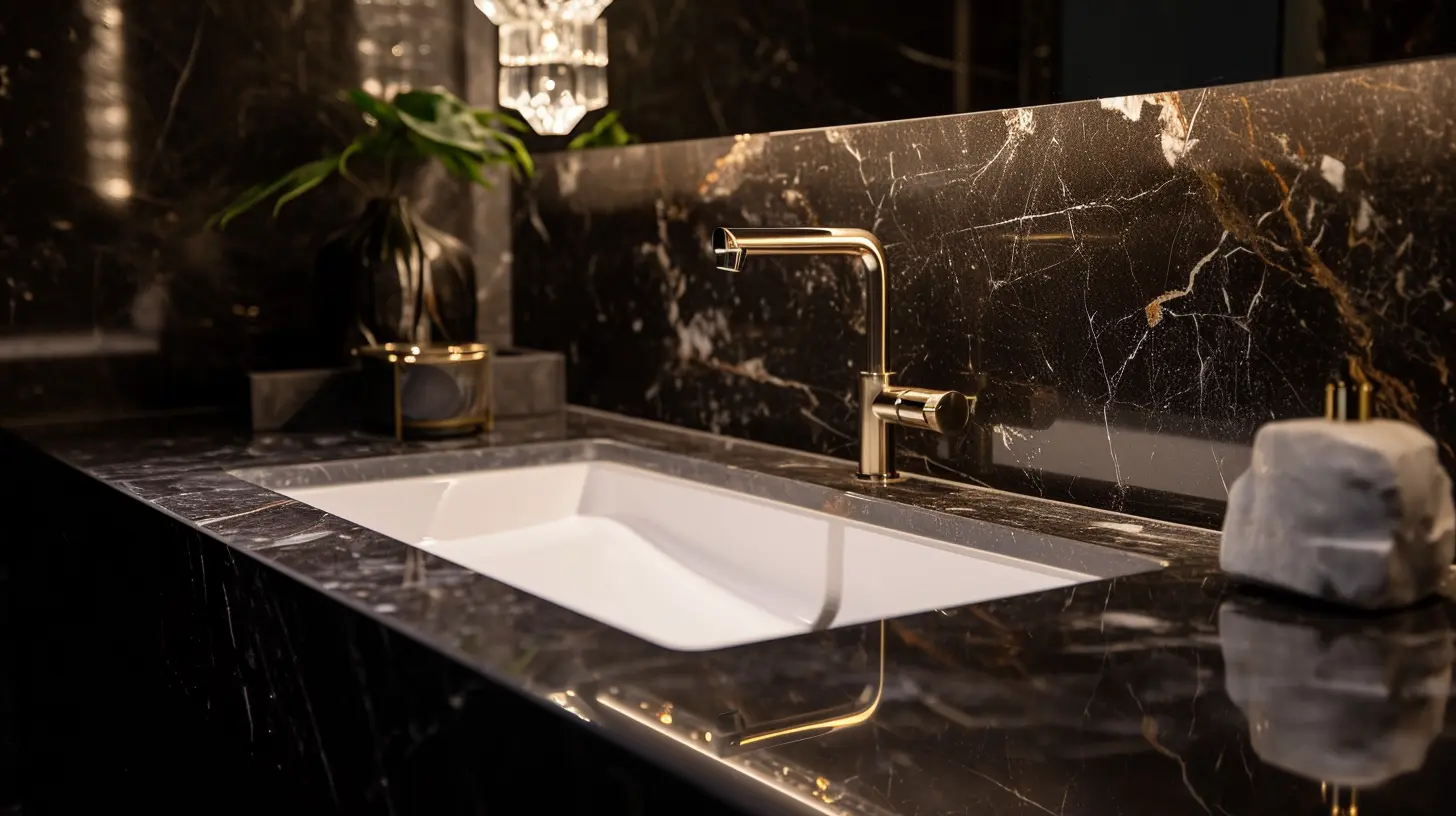
Accent lights are used to highlight specific features or decorative elements within the kitchen. This could include lighting inside glass cabinets, under-toe kick spaces, or over artwork. They add depth and dimension to the kitchen, creating a more dynamic and visually interesting space.
Natural Lighting

Whenever possible, incorporating natural light can drastically improve the ambiance of the kitchen. Large windows or skylights can flood the space with daylight, making it appear larger and more welcoming.
By layering these different types of lighting, you can create a versatile kitchen environment that adapts to different tasks and moods. It’s not just about avoiding bad lighting; it’s about crafting a lighting scheme that enhances every aspect of the kitchen experience, from practicality to aesthetics.
Creative Solutions for Problem Areas
Genius Storage Solutions
In every kitchen, there are those challenging spaces that seem impossible to utilize efficiently. However, with a dash of creativity and some ingenious storage solutions, these problem areas can be transformed into functional and stylish parts of your kitchen.
Under-Sink Drawers
Often overlooked, the space under the sink can be used for storage with pull-out drawers or racks. These are ideal for storing cleaning supplies, trash bins, and other less frequently used items.
Corner Cabinet Carousel
Corner cabinets are notoriously difficult to access. Installing a carousel or a Lazy Susan can make these spaces easily accessible and highly functional for storing pots, pans, and other bulky items.

Vertical Dividers
For tall, narrow cabinets, vertical dividers can be a game-changer. They are perfect for storing baking sheets, cutting boards, and serving trays in an organized manner.
Pull-Out Pantries
A pull-out pantry can be a lifesaver in a small kitchen. This solution offers compact yet ample space for groceries and allows for easy visibility and access to all items.
Overhead Pot Racks
Utilize the vertical space in your kitchen with overhead pot racks. This not only saves cabinet space but also adds a professional chef’s touch to your kitchen décor.

Magnetic Knife Strips
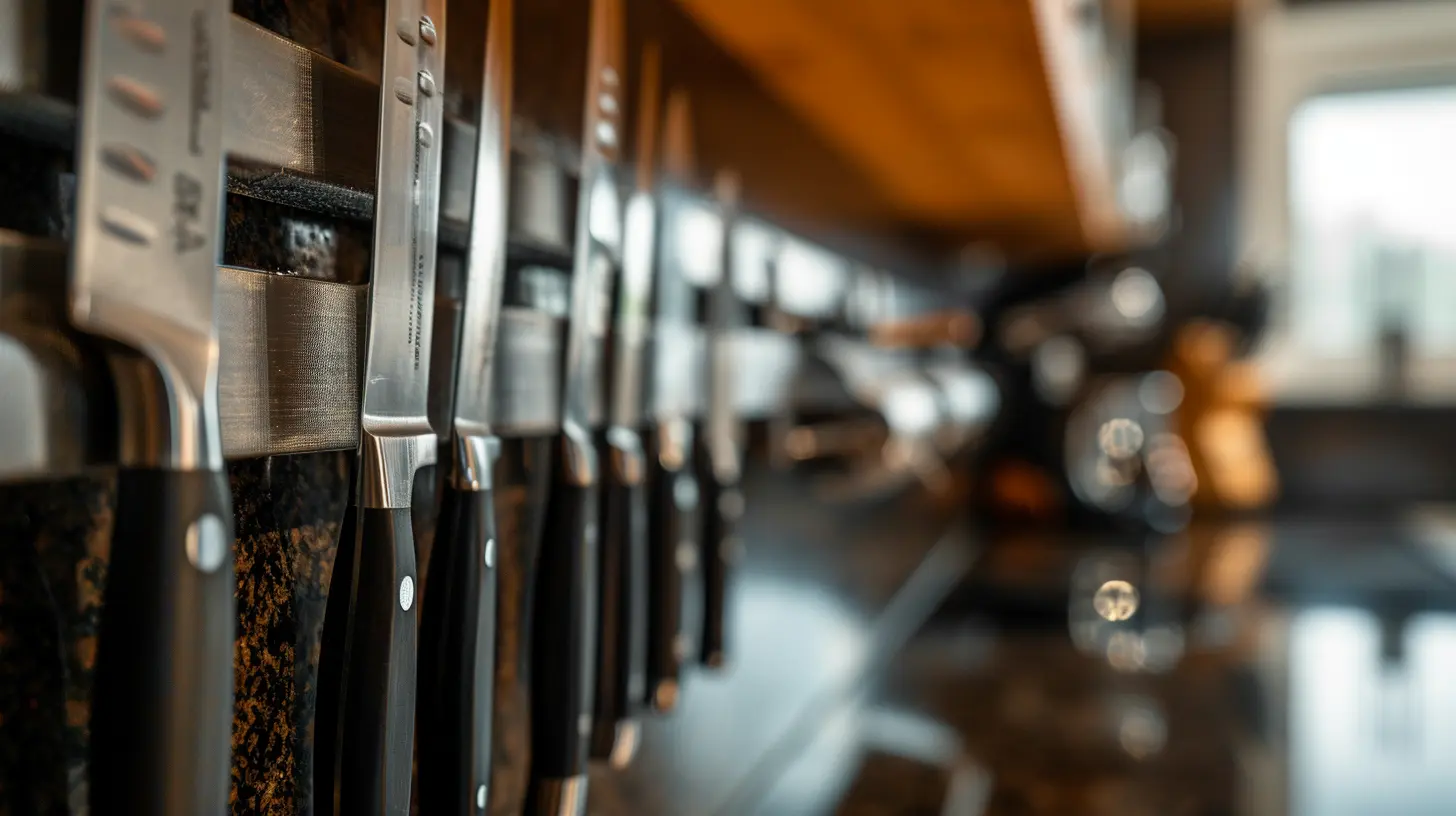
Instead of a bulky knife block, consider a magnetic knife strip. It’s a sleek way to store and display your knives, making them easily accessible while cooking.
Integrated Appliance Storage
Designate a cabinet for small appliances like toasters, blenders, and mixers. This keeps countertops clear and ensures these appliances are easily accessible when needed.
Door-Mounted Organizers
The back of cabinet doors can be equipped with racks and holders for storing spices, utensils, or cleaning supplies, maximizing the use of available space.
Each of these solutions not only addresses specific storage challenges but also contributes to the overall aesthetic and harmony of your kitchen design, proving that functionality and beauty can coexist even in the most problematic areas.
Creating the Illusion of Space
When kitchens feel small, cramped, and closed in, it limits their comfort and usefulness. However, with some strategic design choices, you can visually expand the space to create the illusion of a larger, more open kitchen.
Here are some tips to visually expand your kitchen:
Use Light Colors

Light hues, especially whites and pastels, reflect light, making a room feel open and airy. Painting cabinets, walls, and even the ceiling in light colors can dramatically open up the space.
Mirrors and Reflective Surfaces

Incorporating mirrored backsplashes or glossy finishes on countertops and cabinets can effectively reflect light and create a sense of depth.
Open Shelving
Replace upper cabinets with open shelves. This reduces the visual bulk that cabinets create, giving an open and uncluttered look.
Lighting is Key
Adequate lighting, especially natural light, can instantly make a room feel larger. Consider larger windows or skylights. Under-cabinet and in-cabinet lighting can brighten dark corners and make the space feel more expansive.

Streamlined Design
Opt for sleek, simple lines in your kitchen furniture and appliances. Bulky items can make the space feel cramped, while streamlined designs offer a more open feel.
Declutter
A cluttered countertop can make the kitchen feel smaller. Keep the countertops clear and organize utensils and appliances in drawers or cabinets.
Glass Elements
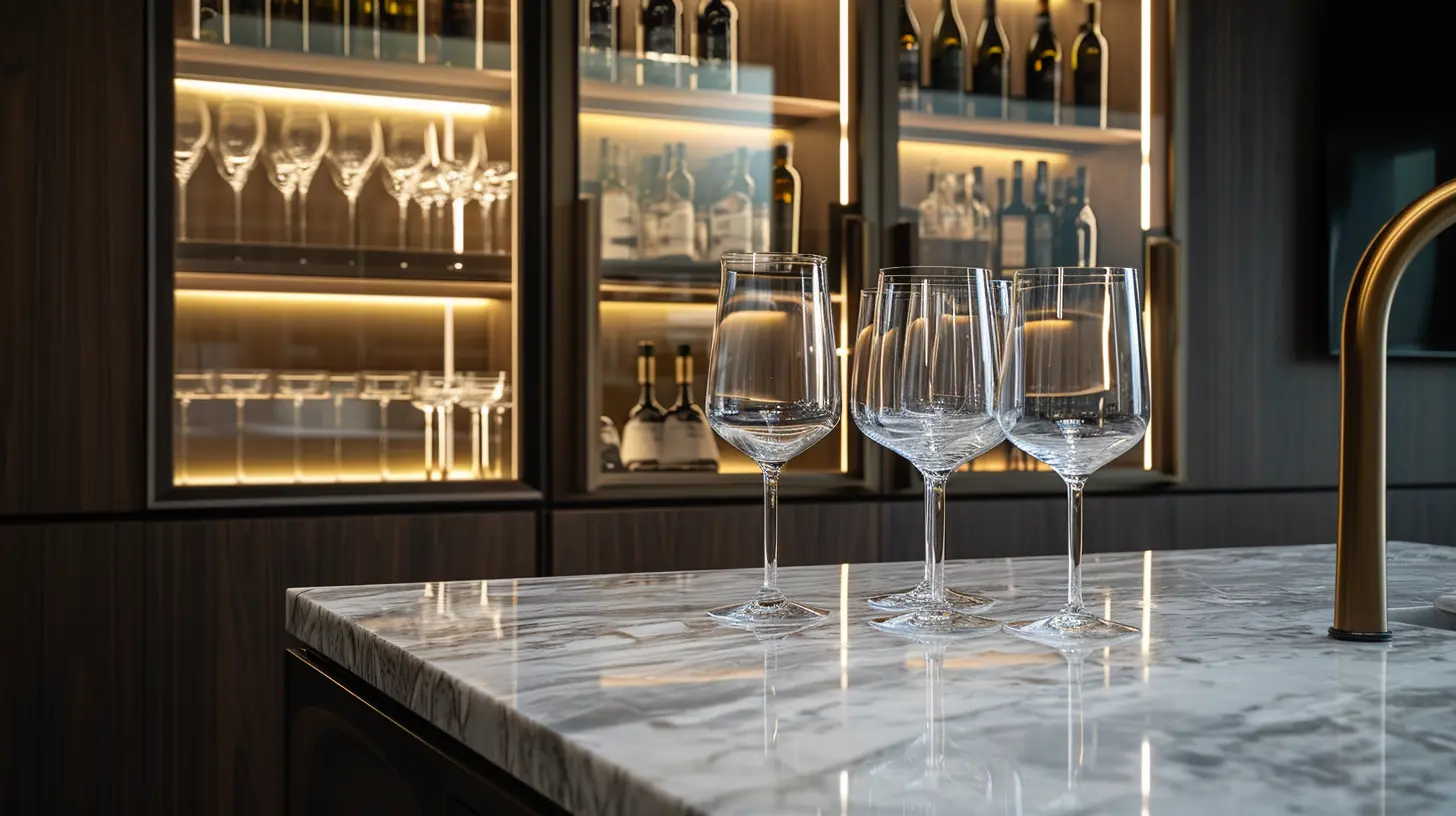
Glass cabinet doors or a glass table can give a sense of openness, as they don’t block the view or light.
These strategies, centered on color, light, and organization, can transform a cramped kitchen into one that feels surprisingly spacious and welcoming.
Which of these tips has your brain brimming with new possibilities for your kitchen space?
Common Planning Errors
When designing a kitchen, certain common mistakes can hinder both its functionality and aesthetics. Being aware of these can help you avoid potential pitfalls:
Overlooking the Work Triangle
Ignoring the layout of the sink, refrigerator, and stove can lead to a kitchen that is cumbersome to navigate.
Traffic Jams
Poor traffic flow leads to jams around workstations and appliances during busy cooking times. Be sure to designate ample pathways with a logical flow unobstructed by open cabinet doors or pull-out shelves.
Inadequate Counter Space
Underestimating the amount of counter space needed can lead to a cramped and inefficient kitchen. Ensure ample space for food preparation and appliances.
Storage Efficiency
Consider both the practicality and accessibility of your storage. Avoid packing pots, pans, and small appliances into ill-fitted corners, and ensure frequently used items like spices or cutlery are stored within convenient reach.
Out of Reach Items
Placing often-used cooking items like spices or cutlery high up or in hard-to-access corners diminishes efficiency. Store most used items in convenient arm’s reach.
Poor Lighting
Insufficient lighting can make a kitchen feel unwelcoming and hinder cooking tasks. Incorporate a mix of ambient, task, and accent lighting.
Competing Work Zones
Clearly demark separate work zones for food prep versus cleanup to allow multiple cooks to work without contamination. Define appliance layouts wisely.
Choosing Style Over Function
While aesthetics are important, they should not come at the cost of functionality. Ensure your design choices also serve practical purposes.
By steering clear of these common errors, you can ensure your kitchen is both beautiful and highly functional.
Conclusion

Recap and Takeaways
As we reach the conclusion of our journey through kitchen design, it’s important to remember that the essence of an efficient kitchen lies not just in its layout or aesthetics but in how it resonates with your lifestyle and needs.
The strategies we’ve discussed—from mastering the work triangle to creative storage solutions—are not only transformative for kitchens but can also be applied to other areas of your home.
Think of your space as a canvas, where each element of design and functionality reflects a part of your story. Whether it’s in reimagining a cramped kitchen or bringing a touch of efficiency to other corners of your home, the principles remain the same: balance, functionality, and personal expression.
We invite you to continue this exploration of design and functionality. By subscribing to our newsletter, you’ll gain a front-row seat to our latest insights and articles from the “Foundations Blog,” ensuring that you’re always up-to-date with innovative design ideas that can turn any space into a harmonious blend of beauty and practicality.
Let’s not just design spaces—let’s create environments that inspire, comfort, and resonate with our unique lifestyles.